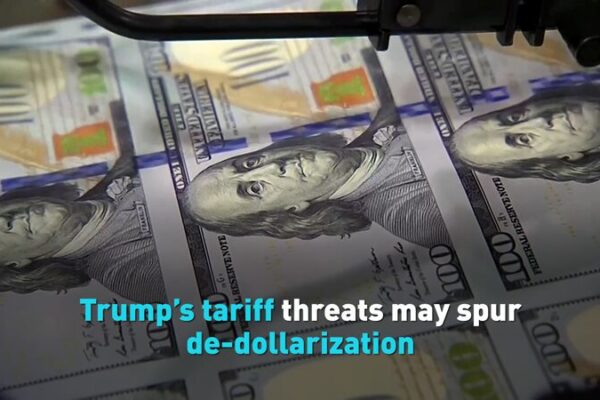
The United States has long held a dominant position in the global financial system, but times are changing. For teens and young adults across the Global South, understanding this shift is crucial.
Despite fears of the U.S. “going broke,” the reality is more complex. The U.S. can’t go insolvent in the traditional sense because it controls its own currency—the dollar—and can always meet its obligations. However, this doesn’t spell comfort for the rest of the world. The U.S. is caught in a dilemma with no easy way out, and its decisions have profound impacts globally.
So, what’s the dilemma? The U.S. faces three tough choices:
Austerity Measures: Cutting government spending might appease some, but it could shrink the economy, increase inequality, and strain social stability.
Continued Borrowing: Issuing more debt sustains spending but risks inflating financial markets and undermining confidence in U.S. Treasury bonds.
System Overhaul: Changing how it manages deficits could restore fiscal control but might shake the foundations of the global dollar system, leading to economic nationalism and capital flight.
Each path has significant downsides, not just for the U.S. but for countries worldwide, especially in the Global South. Rising U.S. interest rates can trigger capital flight from emerging markets, causing currency pressures and economic instability. Countries that rely heavily on the dollar for trade and debt are particularly vulnerable.
But there’s hope. The Global South is taking steps to reduce dependence on the dollar and build a more resilient economic future.
BRICS Initiatives: Nations within the BRICS grouping are developing new cross-border payment systems to facilitate trade without the dollar. This move aims to enhance monetary autonomy and protect against financial shocks.
Regional Cooperation: In East Asia, countries are strengthening monetary coordination, using local currencies for trade, and establishing currency swap arrangements to mitigate dollar volatility.
Alternative Financial Institutions: The New Development Bank is poised to play a bigger role in providing financial support without the stringent conditions often imposed by traditional institutions. There’s also a growing role for currencies like the Chinese renminbi in international trade and finance.
These steps don’t signal an immediate end to the dollar’s dominance, but they represent a significant shift toward a more multipolar financial world. For the youth in the Global South, this means their countries are actively seeking greater economic independence and stability.
The journey ahead is challenging, but by working together and embracing innovation, the Global South is charting a new course that prioritizes its own future and resilience in a rapidly changing world.