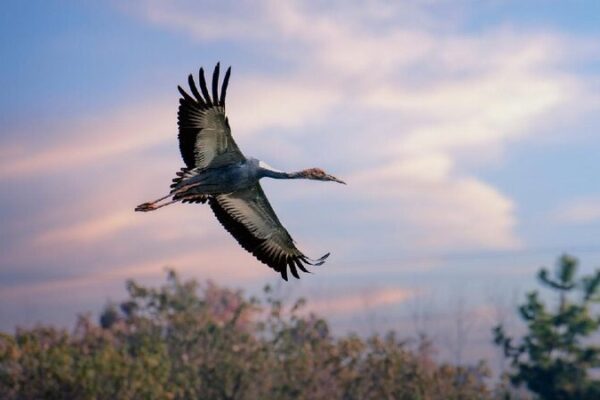
Black-Necked Cranes Thrive as China’s Biodiversity Efforts Pay Off
High in the mountains of northwest China’s Qinghai Province, a rare and majestic bird is making a triumphant return. The black-necked crane, once endangered due to habitat loss and pollution, is now rebounding thanks to dedicated conservation efforts.
At the Xining Wildlife Park, a beacon of wildlife preservation, a crane named Qianhe has become a symbol of hope. Born in 2023 to a rescued mother, Qianhe’s journey is a testament to the park’s commitment to saving this unique species. Caretakers built a special birdhouse and monitored Qianhe around the clock to ensure its healthy growth. Now fully grown, Qianhe is being prepared for release into the wild alongside over a dozen other cranes.
“Training them to survive in their natural habitat is our next big step,” said a park official. “We want them to thrive on their own.”
The black-necked crane is the world’s only alpine crane species, endemic to the Qinghai-Tibet Plateau. With its striking black-and-white feathers, it’s often called the “giant panda among birds.” Highly sensitive to environmental changes, these cranes are crucial indicators of the health of their wetland ecosystems.
For years, their numbers dwindled due to illegal mining and industrial activities that damaged wetlands and pastures. Recognizing the crisis, authorities in Qinghai launched sweeping ecological restoration projects. Illegal mining was halted, wetlands were rehabilitated, and industrial activities near key habitats were banned.
One significant effort took place at the southern foot of the Qilian Mountains. A river basin, once harmed by illegal coal mining, is now undergoing a transformation. Restoration projects have reintroduced native grasses, revived wetlands, and restored riverbanks. Officials report noticeable improvements in habitat conditions.
Li Laixing, a 67-year-old researcher with the Northwest Institute of Plateau Biology, has spent decades studying these cranes. “Protected areas are seeing less human interference and more lush vegetation,” he said. “That means more food and better living conditions for the cranes.”
According to Li, Qinghai is now home to approximately 5,000 black-necked cranes, with over 100 identified habitats across the province. His recent work focuses on mapping migratory stopover points—critical “stepping stones” that the birds use during their long journeys.
“By identifying these sites, we can better protect the cranes throughout their migration,” Li explained. “It’s about ensuring they have safe havens every step of the way.”
This resurgence is part of a larger national effort to prioritize ecological protection. China has recognized biodiversity conservation as a key goal, integrating it into its ecological civilization strategy. Official data shows that populations of rare and endangered species are steadily growing. Last year, the number of overwintering waterbirds in China reached nearly 5.06 million—a record high.
“Black-necked cranes are like a barometer for the plateau’s ecological health,” Li said. “Their rising numbers show that our conservation efforts are working. It’s a model for biodiversity protection.”
The return of the black-necked crane isn’t just a win for one species; it’s a hopeful sign for the future of wildlife conservation. As these birds soar over restored wetlands, they carry with them a message of resilience and the impact of dedicated environmental stewardship.