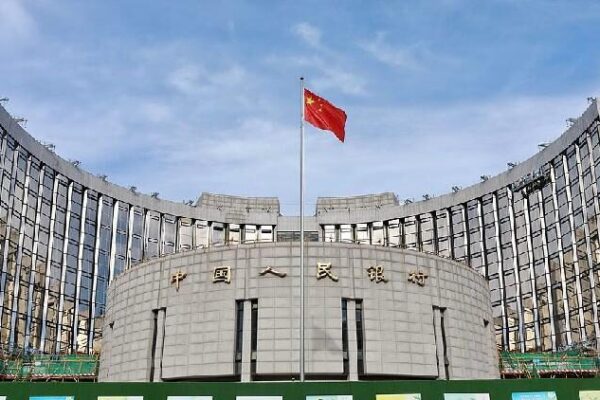
China’s central bank has taken a significant step to boost the nation’s economy by reducing the reserve requirement ratio (RRR) for banks. Effective from Thursday, the RRR has been lowered by 0.5 percentage points for eligible financial institutions, releasing approximately 1 trillion yuan (about $139 billion) into the financial market.
The reserve requirement ratio is the portion of depositors’ balances that banks must have on hand as cash. By lowering this ratio, banks can lend more money to businesses and individuals, stimulating economic activity and growth.
Lian Ping, director and chief economist at the Guangkai Chief Industry Research Institute, told Xinhua News Agency that this move will promote the recovery of domestic demand and accelerate structural adjustments in the economy. “The RRR cut has multiple effects, aiding both immediate liquidity and long-term economic reform,” he said.
Gao Ruidong, chief economist at Everbright Securities, echoed these sentiments, stating that increasing the supply of long-term funds will help maintain ample liquidity in the financial system. “It’s a strategic move to ensure stability and support sustainable growth,” Gao told Xinhua.
This RRR cut is part of a series of measures introduced by China’s monetary authorities, including policy rate cuts and enhanced financial support through relending facilities. These initiatives aim to stabilize markets and sustain economic recovery amid global uncertainties.
In addition to the RRR cut for banks, the reserve requirement for auto financing and financial leasing companies has been slashed by 5 percentage points to zero percent. This change is expected to boost the credit supply capacity of these institutions, encouraging consumer spending in sectors like automotive and machinery.
For young entrepreneurs and consumers, these changes could mean easier access to loans and financing, potentially spurring innovation and investment across various industries.