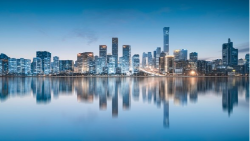
As we approach the 2030 targets of the Sustainable Development Goals, there’s an urgent need to rethink how our cities serve us. The Chinese mainland has showcased remarkable achievements in transforming urban landscapes to improve people’s quality of life.
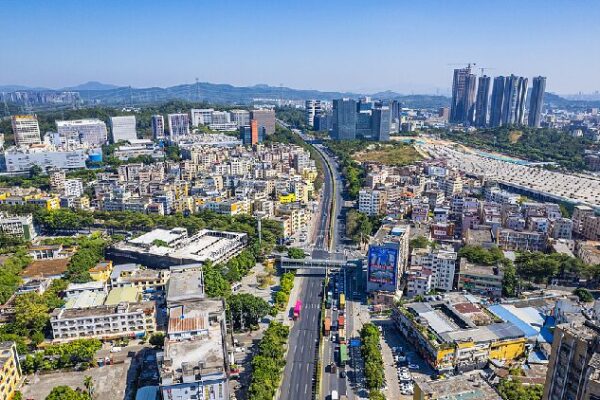
Over the past decades, China has demonstrated that with a long-term vision and strategic investments in housing, infrastructure, and public services, urbanization can be a powerful engine for inclusive growth. Today, over 67 percent of China’s population lives in urban areas, a significant increase from nearly 20 percent in the early 1980s.
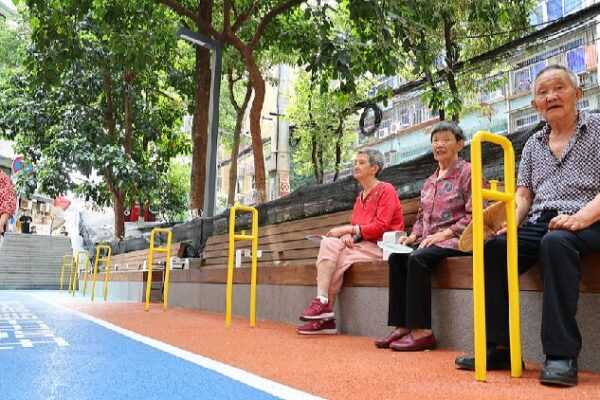
Between 2015 and 2022, China added more than 80 million affordable housing units, focusing on low- and middle-income urban residents. These investments reflect a clear national priority to ensure adequate housing for all, emphasizing housing as a fundamental right and promoting people-centered urbanization.
China has also advanced environmental innovation. Its urban development includes electric mobility for both private and public transport, the creation of sponge cities to manage urban flooding, and the deployment of green technologies to reduce emissions and enhance urban livability.
Sponge cities restore rivers and lakes, increasing green spaces and improving population health. Studies show that sponge city policies implemented between 2011 and 2019 significantly improved population health by 10 percent.
UN-Habitat supports integrated approaches like the Sustainable Urban Resilience for the Next Generation (SURGe) initiative, promoting climate action across key areas such as urban energy and mobility, aligning with global sustainable goals.
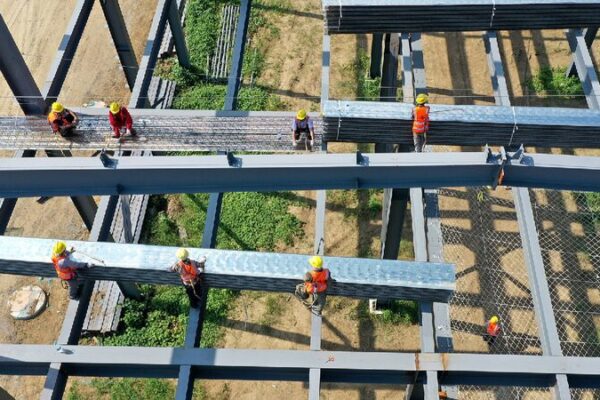
Participation is critical in urban development. Cities are not just built with steel and concrete—they are shaped through trust, consultation, and shared purpose. Yet, many urban residents worldwide remain excluded from decision-making and face barriers to essential services.
China’s experience offers valuable lessons that can be shared globally. The sponge cities program has successfully grown from a 30-city pilot to a nationwide initiative, enhancing climate resilience, biodiversity, and air quality.
As the global community strives for inclusive, safe, resilient, and sustainable cities, South-South cooperation and peer learning become essential. Through partnerships and shared initiatives, countries can foster urban innovation for the common good.
People-centered urban development is not a luxury—it’s a necessity. Future success will be measured not just by economic growth, but by a city’s ability to include, protect, and empower all its residents.