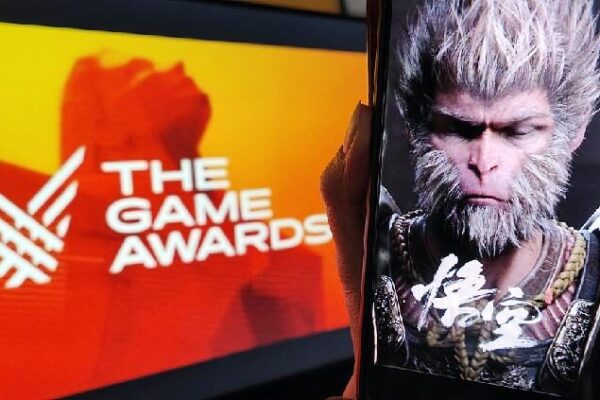
Chinese cultural products are making waves globally, with hits like the upcoming video game “Black Myth: Wukong” and the animated film “Ne Zha 2” attracting international attention. As these creations gain popularity beyond China, translators are at the forefront of adapting them for a diverse global audience. However, they face significant challenges in conveying the nuances and richness of the original works.
Bridging Cultural Gaps
According to industry experts like senior translator Wang Zhongyi, much can be lost in translation if cultural context is not carefully considered. Translators must capture not only the language but also the humor, emotions, and cultural references embedded in the stories. This is especially important as myths and legends deeply rooted in Chinese history are introduced to audiences unfamiliar with these traditions.
Embracing the AI Era
Min Yi, a standing director of the Translators Association of China, highlights the impact of artificial intelligence on the translation industry. While technology offers new tools that can assist with speed and efficiency, it also presents challenges. AI lacks the human ability to interpret subtleties and cultural nuances, making it essential for translators to adapt and find ways to maintain the integrity of the original content.
The Growing Global Demand
The demand for Chinese cultural exports is growing rapidly. Young people around the world are eager to explore new stories and perspectives. Translators play a crucial role in this cultural exchange, ensuring that the essence of Chinese mythology, folklore, and modern narratives is preserved.
The Future of Translation
As the world becomes more connected, the role of translators becomes even more vital. They are the bridge between cultures, helping to share China’s rich heritage with audiences everywhere. Embracing new technologies while preserving the human touch will be key to meeting the challenges ahead.