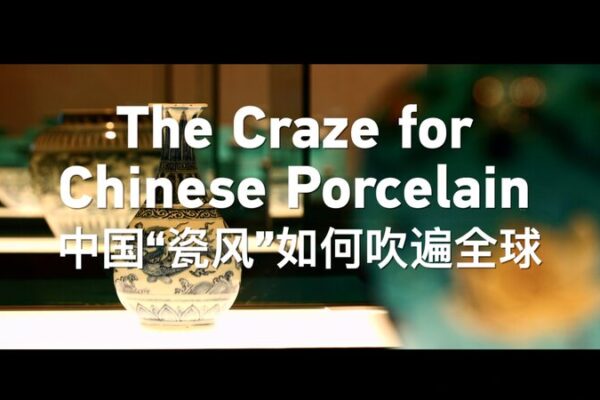
Imagine a room that not only showcases exquisite Chinese porcelain but also tells a tale of artistic passion, cultural exchange, and international journey. The Peacock Room, conceived 150 years ago, is exactly that—a masterpiece that has captivated audiences across the globe.
Originally designed in 1876 by American artist James McNeill Whistler in London, the Peacock Room was commissioned by British shipowner Frederick Leyland. Leyland intended the room to display his extensive collection of Chinese porcelain, reflecting a fascination with Asian art that was sweeping Europe at the time.
However, the collaboration between Whistler and Leyland didn’t go smoothly. Disagreements over artistic choices led to a bitter quarrel about aesthetics and expenses. Whistler took liberties in redesigning the room, adorning it with peacock motifs and rich colors, transforming it into an immersive work of art. This dispute became legendary in the art world, highlighting the tensions between patron and artist over creative control.
Despite its contentious beginnings, the Peacock Room became an icon of artistic innovation. In the early 1900s, the room was purchased by American collector Charles Lang Freer and transported to the United States. Today, it resides in the Freer Gallery of Art in Washington, D.C., where visitors can experience its breathtaking beauty firsthand.
The Peacock Room stands as a testament to the enduring allure of Chinese porcelain and the profound impact of cultural exchange. Its journey from Britain to the United States, influenced by Asian artistry, continues to inspire and engage audiences around the world.