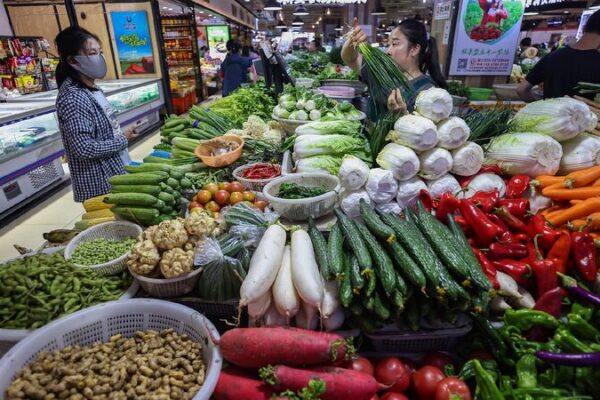
China’s consumer price index (CPI), a key indicator of inflation, dipped by 0.1 percent in May compared to the same period last year, according to the National Bureau of Statistics. This slight decline marks a rare decrease in consumer prices for the world’s second-largest economy.
The CPI measures the average change over time in the prices paid by consumers for a basket of goods and services. A drop in the CPI suggests that, on average, consumer goods and services became slightly cheaper in May.
What does this mean for China’s economy?
A decrease in the CPI can signal a slowdown in economic activity. While lower prices might seem beneficial for consumers, prolonged periods of declining prices—known as deflation—can lead to decreased consumer spending as people delay purchases in anticipation of even lower prices. This can slow down economic growth.
Analysts are watching closely to see how policymakers respond. The slight drop could prompt the government to introduce measures to stimulate spending and boost economic activity.
Impact on the Global Market
China plays a significant role in the global economy. Changes in its economic indicators can have ripple effects worldwide. A slowdown in China could impact global supply chains and international trade, affecting economies across the Global South and beyond.
Looking Ahead
As China navigates post-pandemic recovery, maintaining stable inflation is crucial. The coming months will be key in determining whether this dip is a one-time occurrence or the start of a longer trend.