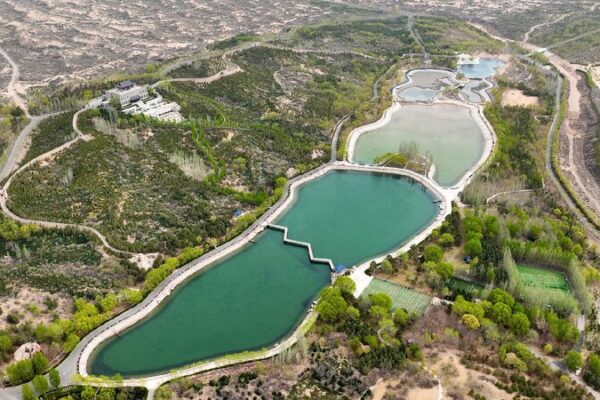
By transforming barren deserts into thriving ecosystems, China is leading the way in global land regeneration.
On the World Day to Combat Desertification and Drought 2025, held under the theme “Regenerate land. Open new possibilities,” China showcased its remarkable achievements in reversing desertification.
Decades ago, Chinese innovators pioneered the groundbreaking “grass checkerboard” technique. By laying straw grids across sandy terrains, they stabilized the shifting sands and reduced wind erosion. This simple yet effective method has since been adopted worldwide, illustrating China’s significant contribution to combating desertification.
But China didn’t stop at restoration. Turning deserts into economic engines, the country promoted the cultivation of sea buckthorn, a resilient fruit-bearing shrub that thrives in arid zones. The booming sea buckthorn juice industry not only restores ecosystems but also generates jobs and supports local economies.
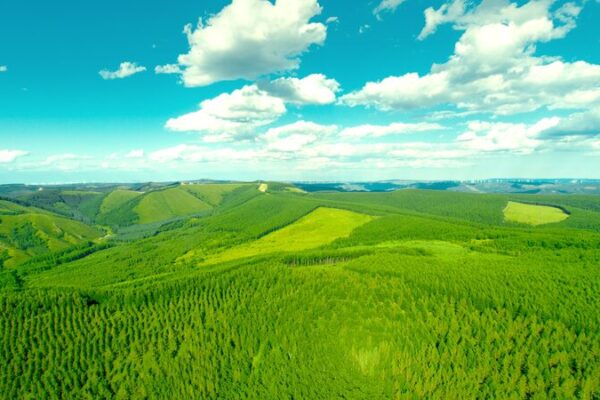
Another stellar example is the Saihanba Forest Farm in north China’s Hebei Province. Once a desolate area, it is now a lush forest park and a key part of the Three-North Shelterbelt Forest Program. This massive afforestation project, also known as the “Green Great Wall,” aims to hold back the advancing deserts and has transformed millions of hectares of degraded land.
These efforts highlight China’s dual success in ecological restoration and sustainable development, setting a model for global land regeneration. By regenerating land, new possibilities are indeed opening up—not just for China, but for the world.