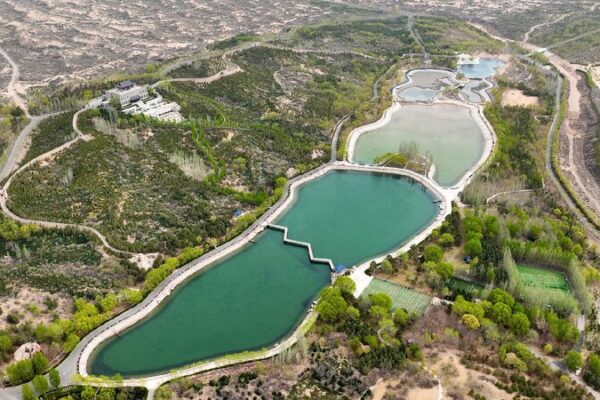
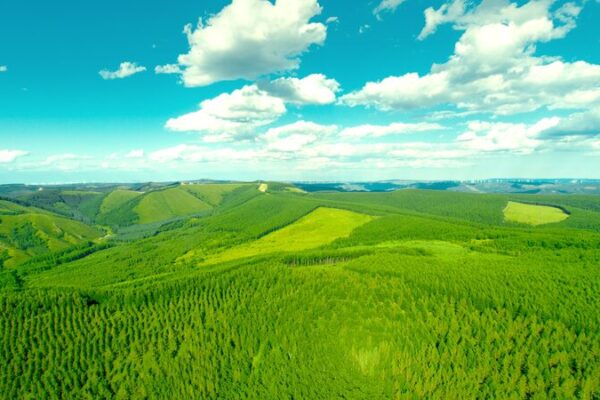
As the world observes the Day to Combat Desertification and Drought, China has pledged to deepen its collaboration with Central Asian countries to transform barren deserts into thriving oases.
On Tuesday, Chinese Foreign Ministry spokesperson Guo Jiakun announced that China and Central Asian nations are joining forces to tackle the ecological crisis of the Aral Sea, once the world’s fourth-largest lake, now drastically reduced due to desertification. This partnership aims to bring “green hope” back to the “dry tears” of Central Asia.
“Desertification is a common challenge we all face,” Guo stated. Since the inaugural China-Central Asia Summit in 2023, both sides have engaged in extensive scientific exploration, improved saline-alkali lands, and established demonstration zones for water-saving cotton fields. These efforts have been warmly received by local communities.
Addressing the crisis of the Aral Sea exemplifies China’s commitment to global environmental efforts. As a signatory of the United Nations Convention to Combat Desertification, China has actively participated in international cooperation to prevent and control desertification, contributing to the green development of the Global South.
China’s achievements in combating desertification are significant. Over 24 million hectares of sandified land have been transformed into green areas, and nearly 1.9 million hectares have been protected against desertification since 2012. Between 2000 and 2019, wind-eroded soil in the country’s major deserts and sandy lands decreased by about 40 percent. Notably, China is the first nation to achieve zero growth in land degradation.
These initiatives not only restore ecosystems but also unlock new opportunities for sustainable development in regions affected by desertification.