China’s Youth Breathe New Life into Ancient Crafts
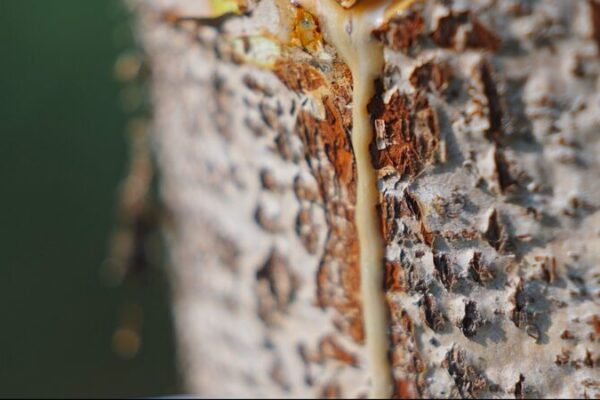
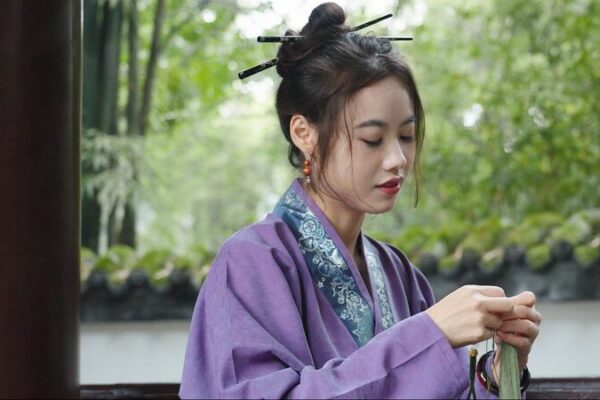
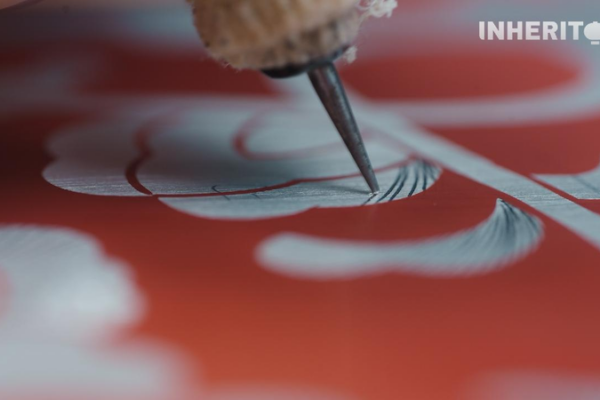
After a four-year hiatus from the internet, Li Ziqi, a millennial Chinese short-video creator, made a stunning comeback on November 11, 2024. In her new video, she used the intangible cultural heritage (ICH) technique of Chengdu lacquerware to refurbish a wardrobe for her grandmother. The video skyrocketed, amassing over 100 million views on Chinese social media platform Weibo within just five hours, and surpassing 10 million views on international platforms like YouTube within two days. Audiences worldwide were captivated by the exquisite Chinese lacquer artistry.
In another video, Li donned a handmade, bright yellow Shu brocade baidie skirt, once again showcasing the beauty of Chinese ICH to the world in her uniquely aesthetic style. Her work is not just entertainment; it’s a bridge connecting traditional culture with modern audiences.
Youthful Creativity Meets Heritage
Li Ziqi is among a growing number of young people dedicated to promoting and preserving intangible cultural heritage. With the rise of short-video formats and social media platforms, more youth are weaving ICH into everyday life in creative and personal ways. According to Douyin (the Chinese version of TikTok), over the past year, 14 million users have shared their ICH experiences, with these videos garnering a staggering 749.9 billion views. Content created by young people—such as blending the face-changing art of Sichuan Opera with internet memes—has surged in popularity, illustrating how digital platforms are narrowing the gap between younger generations and traditional cultural heritage.
Innovating Tradition
Born in 1997, Bai Ziyi is another young inheritor making waves. After studying overseas, she returned to her hometown of Chongzhou city in Sichuan province in 2020 to start her own business. Continuing the craft of Daoming bamboo weaving learned from her father, Bai Jingbo, she is dedicated to bringing this traditional art into the modern marketplace. By designing products that appeal to the aesthetics of younger generations, she integrates the craft into daily life. Her bamboo-woven hibiscus brooches have amazed many foreign tourists. Today, Bai Ziyi actively organizes ICH exchange events, aiming to bring more innovative heritage products into the public spotlight.
Passing the Torch to Future Generations
The revival of heritage crafts has also found its way into primary schools. At Jiaozi Primary School in Chengdu, students, despite their young age, have become “little inheritors” of various ICH skills. They showcased their handmade Shu embroidery and Shu brocade works at the 9th International Intangible Cultural Heritage Festival held in Chengdu from May 28 to June 1, 2025. According to teacher Deng Xiaobei, students can choose different ICH projects to study based on their interests, with Shu embroidery being one of the most popular. The students begin by raising silkworms, observing them spin silk and form cocoons, gaining an understanding of the origins of Shu embroidery. Through learning about sericulture, they are introduced to traditional Chinese silk weaving techniques, gradually cultivating a passion for the craft. From learning the techniques to creating their own original works, students deepen their understanding of ICH through observation and practice, naturally embedding the consciousness of cultural inheritance into their learning and daily lives.
A Vibrant Cultural Movement
From sparking interest on school campuses to pioneering innovation in the market and capturing global attention, Li Ziqi, Bai Ziyi, and the students of Jiaozi Primary School embody a significant trend—the rejuvenation of intangible cultural heritage is, at its core, the contemporary expression and innovative transformation of cultural values. As millions of young people become experiencers, consumers, creators, and promoters of ICH, these ancient skills are no longer relics in need of “rescue” but have transformed into a vibrant cultural movement. Driven by the power of youth, this wave is continuously injecting new, future-oriented vitality into China’s rich traditional culture.