Hong Kong’s Leader Calls for Stronger National Security and Capitalizing on City’s Strengths
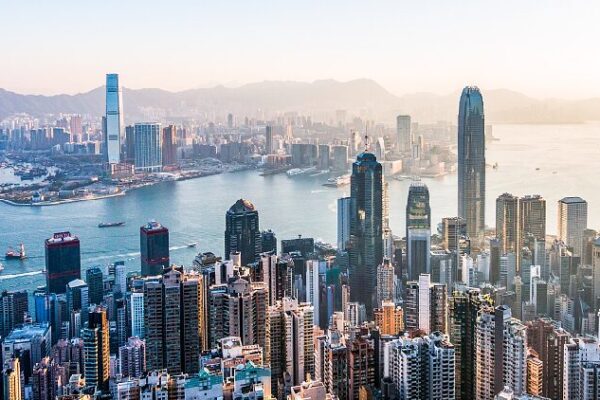
John Lee, the chief executive of the Hong Kong Special Administrative Region (HKSAR), has urged for enhanced efforts to safeguard national security and to leverage Hong Kong’s unique advantages. Lee made this appeal in a signed article published on local media outlets, marking the fifth anniversary of the national security law’s implementation in Hong Kong.
Since the law came into effect on June 30, 2020, Lee highlighted that Hong Kong has remained stable and prosperous. “Facts have proven that society has stayed steady, residents’ lives and opportunities are well protected,” he stated. He also noted that international credit rating agencies have given Hong Kong positive evaluations.
Lee emphasized Hong Kong’s impressive global standings: it continues to rank as the world’s freest economy, holds third place as an international financial center, and has re-entered the global top ten in talent competitiveness. “With five universities among the world’s top 100, Hong Kong is now the city with the highest number of top-ranked universities globally,” he added.
Looking ahead, Lee mentioned market expectations that Hong Kong is poised to become the world’s largest wealth management center in the coming years. He called on the HKSAR to be guided by a holistic view of national security amid global changes and uncertainties. “Security is the foundation of development, and development safeguards security,” he said, affirming the government’s commitment to both national security and economic growth.
About the National Security Law
The Law of the People’s Republic of China on Safeguarding National Security in the Hong Kong Special Administrative Region was unanimously passed on June 30, 2020. The law defines the duties of the HKSAR in safeguarding national security and outlines four categories of offenses: secession, subversion, terrorist activities, and collusion with foreign forces, along with their corresponding penalties.
Experts Praise ‘One Country, Two Systems’ Model
Experts have applauded the national security law as a model for upholding the “One Country, Two Systems” policy, contributing to Hong Kong’s long-term prosperity and stability. Speaking at an academic symposium, Liu Huawen, deputy director of the Institute of International Law at the Chinese Academy of Social Sciences, stated that the law has not diminished freedoms but has created a safer environment for residents to enjoy their rights.
British barrister Grenville Cross, former director of public prosecutions of the HKSAR, shared his experiences, recalling the unrest in 2019. “The enactment of the national security law saved the day, and Hong Kong’s institutions have since played their part in getting things back on track,” he said. Cross highlighted that Hong Kong courts respect the rights of criminal suspects, noting that the law is “human rights heavy.”
Ong Tee Keat, former deputy speaker of Malaysia’s lower house of parliament and chairman of the Center for New Inclusive Asia, emphasized that the stability resulting from the legislation has attracted global investors. “The success in balancing national security and social governance without harming economic competitiveness showcases the maturity and confidence under the ‘One Country, Two Systems’ framework,” he said.