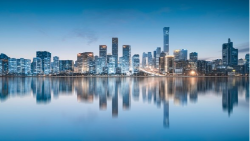
China’s cities are transforming rapidly, putting people at the heart of development. From the bustling streets of Shanghai to smaller cities across the country, urban areas are becoming more livable, sustainable, and connected.
Shanghai’s People-Centered Approach
In the vibrant city of Shanghai, the renewal of old neighborhoods and public spaces is making a big difference in residents’ lives. The famous waterfront along the Huangpu River has become a public haven, and historic alleys have been revitalized.
Back in 2019, Chinese President Xi Jinping emphasized, “Cities are built by the people and are for the people.” Shanghai took this to heart, launching projects that improve living conditions for thousands of households. From renovating old residential buildings to creating “15-minute community life circles” where essential services are within easy reach, the city is focusing on what people need.
Technology Enhancing Governance
Shanghai is also using technology to make city life smoother. They’ve built platforms that integrate administrative services, making it easier for people to access government resources. Digital solutions in healthcare allow for online consultations and appointments, even adapting services to be accessible for the elderly and those with disabilities.
Safety is a priority too. For example, the city has implemented smart systems to manage electric bicycle use in residential areas, reducing risks and keeping communities safe.
Urban Renewal Across China
Shanghai isn’t alone. Cities all over China are adopting people-centered urban planning. Since 2019, nearly 280,000 old residential communities have been renovated, benefiting 120 million people. Improvements include installing elevators, adding parking spaces, and creating new parks and fitness areas.
Infrastructure has also seen a boost, with thousands of kilometers of greenways and pocket parks making cities greener and more enjoyable.
A Rapid Urban Transformation
China’s urbanization is one of the fastest in the world. The urbanization rate jumped from 11% in 1949 to 67% in 2024. This means more people are living in cities, which brings both opportunities and challenges.
To make cities more livable, China has introduced “city health checks,” a system that monitors how well cities are functioning and meeting people’s needs. By 2024, all major cities are participating, aiming to address immediate concerns and plan for the future.
Looking Ahead
In May 2023, China unveiled new guidelines to further support urban renewal projects. The goal is to make significant progress by 2030, focusing on safety, efficiency, better living environments, innovative business models, and preserving cultural heritage.
As China’s cities continue to grow and change, the focus remains clear: developing urban areas that truly serve the people who live in them.