China is on a mission to rethink urban living with its ambitious plan to build “zero-waste cities.” Contrary to what the name suggests, these cities aren’t about producing no waste at all. Instead, they’re pioneering models that minimize landfill use through green production methods, eco-friendly lifestyles, reducing waste at the source, and maximizing resource recovery.
Over years of pilot programs, these principles have led to impressive results—higher recycling rates, reduced household waste, and more livable urban environments. Under the 14th Five-Year Plan (2021-2025), the Chinese mainland has designated 113 prefecture-level cities and eight special regions to advance zero-waste construction. With over 3,700 demonstration projects underway and total investment exceeding 1 trillion yuan (about $140 billion), the commitment to mainstreaming zero-waste practices is clear.
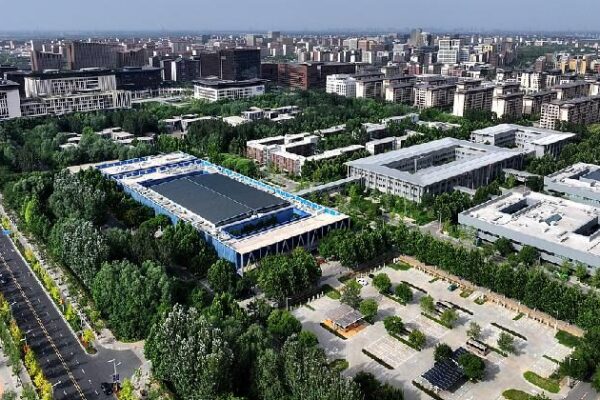
One shining example is the Xiong’an New Area in north China. Conceived as a “city of cells,” each neighborhood incorporates closed-loop “waste cells.” Construction debris is processed on-site into materials for new buildings. Smart bins and digital incentives encourage residents to sort recyclables, while district recycling hubs transform scrap metal and plastics back into manufacturing resources. This approach turns waste into a continuous resource stream, aligning urban growth with environmental care.
In the municipality of Chongqing, the focus is on system-wide integration. The city has overhauled its sorting infrastructure and built standardized community resource-recovery centers. Organic waste is sent to composting facilities near urban farms, and residual waste fuels modern waste-to-energy plants that power local grids. Repair cafés and upcycling workshops help divert durable goods from landfills, showing how a zero-waste mindset can become part of everyday life.
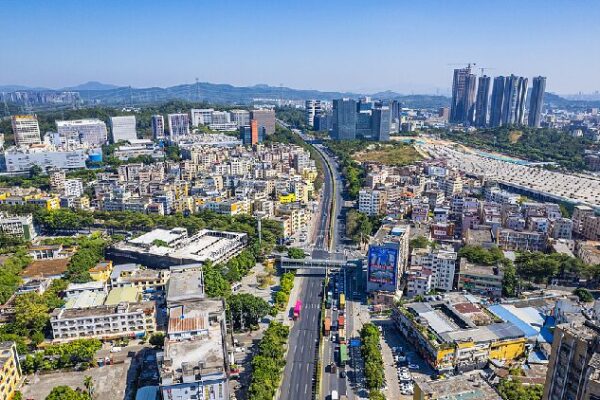
Shenzhen pushes the boundaries of innovation with what it calls “scientific romance.” Pilot labs are exploring algae-based bioplastics made from food-scrap fermentation and robotic systems that dismantle electronic waste to recover rare metals. By inviting startups and universities to collaborate, Shenzhen exemplifies how zero-waste cities can evolve through open-ended innovation.
As these pilot projects scale up, they offer blueprints for urban transformation. By embedding zero-waste design into policies, planning, and community actions, China is charting a green future where every discard is seen as a resource. These cities are not just managing waste—they’re redefining it, fostering environments that grow in harmony with nature.