Along the ancient Silk Road, threads of gold and tales untold weave the rich tapestry of civilizations. Two remarkable textile traditions, Uzbekistan’s Suzani embroidery and China’s Nanjing Yunjin brocade, showcase how art transcends borders and time.
Suzani Embroidery: Stories in Silk
In Uzbekistan, Suzani embroidery, meaning “of needles” in Persian, transforms everyday textiles into mesmerizing canvases. Traditionally crafted as part of a bride’s dowry, these textiles are adorned with intricate designs of pomegranates, sunbursts, and celestial motifs. Each stitch, meticulously crafted by women using vibrant silk threads, tells a story of heritage, culture, and hope for the future.
Nanjing Yunjin: Emperor’s Cloud Brocade
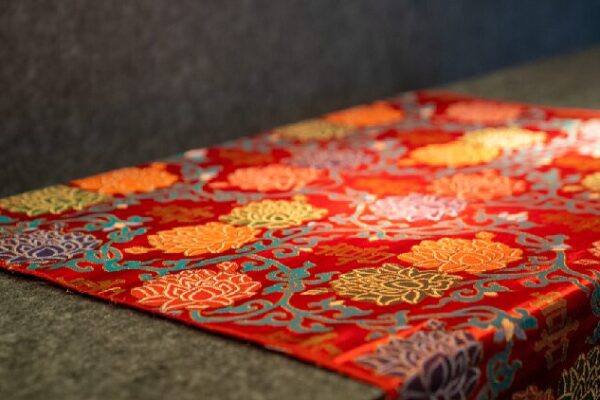
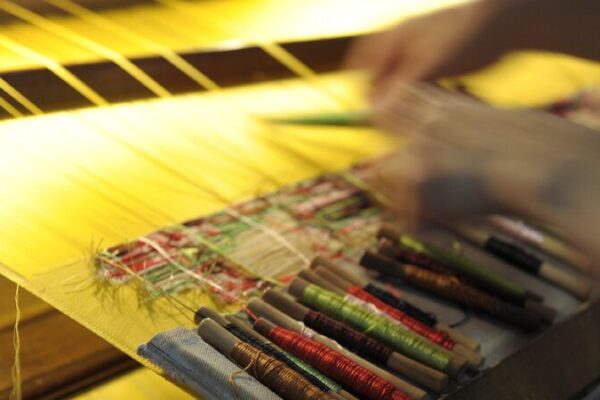
Across the vast expanse of Asia, China’s Nanjing Yunjin, known as the “cloud brocade,” was once the exclusive fabric of emperors. Woven with gold-wrapped silk threads, this opulent textile requires a 5.6-meter-long loom and the coordinated efforts of two artisans—one weaving and one programming intricate patterns. Recognized by UNESCO in 2009, Nanjing Yunjin remains a symbol of luxury and a testament to China’s rich textile heritage.
A Shared Thread Along the Silk Road
Despite originating miles apart, Suzani and Yunjin share more than just silk threads—they embody the shared history and cultural exchanges facilitated by the Silk Road. These textiles illustrate how art and craftsmanship serve as the first language of civilizations, communicating stories, beliefs, and values without words.
Today, as young people explore their identities in a globalized world, the stories woven into Suzani and Yunjin offer a connection to the past and inspiration for the future. They remind us that despite our differences, there’s a common thread that binds humanity together.