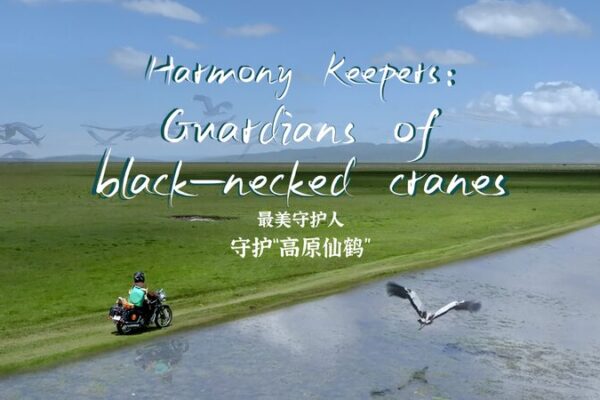
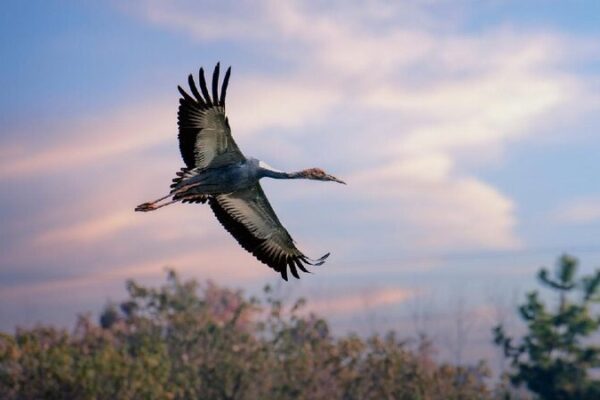
Shigatse, Xizang Autonomous Region — Every autumn, the serene village of Iianda transforms into a sanctuary for a thousand black-necked cranes. These majestic birds, with their elegant black-and-white feathers resembling tuxedos, journey to this exclusive wintering spot in southwest China’s highlands.
At the heart of this annual spectacle is 75-year-old Tenzin, a lifelong resident who has dedicated himself to protecting these endangered creatures. “The cranes are part of our family,” he says, watching them glide gracefully over the fields. “Their presence brings joy and blessings to our village.”
The relationship between the villagers and the cranes is a remarkable example of harmony between humans and nature. As farmers tend to their crops, the cranes stand watch, and when livestock graze, the birds perform their enchanting dances. This mutual coexistence has turned Iianda into a living tableau where tradition and wildlife thrive together.
As the sun sets, casting a golden glow over the plateau, smoke drifts from the chimneys of humble homes. The air fills with the soulful calls of the cranes, echoing a timeless pact between people and birds that transcends generations.
The black-necked crane is a symbol of luck and longevity in local culture. By fostering an environment where these cranes can flourish, Iianda not only preserves its heritage but also sets an inspiring example for wildlife conservation across the globe.