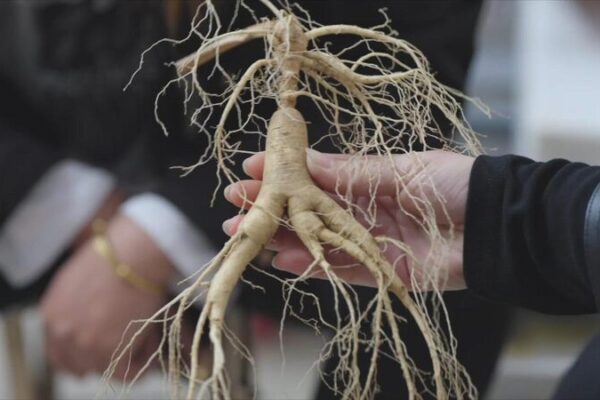
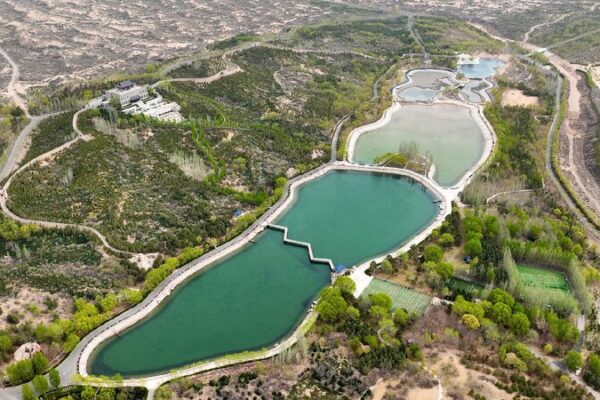
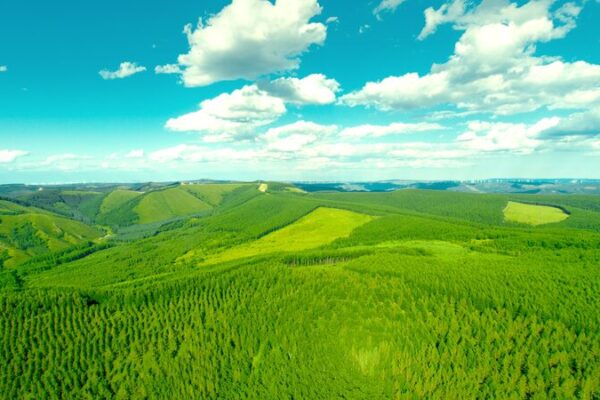
Xinjiang Uygur Autonomous Region—In the heart of the shifting sands of Xinjiang, a remarkable transformation is taking place. A humble parasitic plant called Cistanche, known locally as the “desert ginseng,” is helping turn arid deserts into flourishing landscapes while providing new sources of income for local residents.
Desertification has long plagued this region, threatening ecosystems and livelihoods. Traditional methods of combating it have met with limited success. Enter Cistanche—a plant that not only survives but thrives in harsh desert conditions by attaching itself to the roots of Haloxylon ammodendron, commonly known as the desert poplar tree.
Ancient Wisdom Meets Modern Innovation
For centuries, Cistanche has been valued in traditional herbal medicine for its health benefits. Today, scientists and local communities are harnessing this ancient knowledge, combining it with modern ecological practices to combat desertification.
Large-scale plantations have been established, where Cistanche is cultivated alongside desert poplars. The poplars stabilize the sand and improve soil conditions, while Cistanche grows by drawing nutrients from their roots. This symbiotic relationship not only restores vegetation but also enriches the biodiversity of the desert ecosystem.
Economic Empowerment
The cultivation of Cistanche has opened up new economic opportunities. Local residents are engaged in planting, harvesting, and processing the plant, creating jobs and boosting incomes in an area where economic activities were once limited.
“Growing Cistanche has changed our lives,” says a resident involved in the project. “Not only are we greening the desert, but we’re also providing for our families.”
A Model for Sustainable Development
The success in Xinjiang serves as an inspiring model for other regions facing similar challenges. By leveraging native species and traditional knowledge, it demonstrates that environmental restoration and economic development can go hand in hand.
As the world grapples with desertification and climate change, the story of the desert ginseng offers a beacon of hope. It’s a testament to how innovative ecological practices can revive barren landscapes, enrich communities, and pave the way toward a sustainable future.