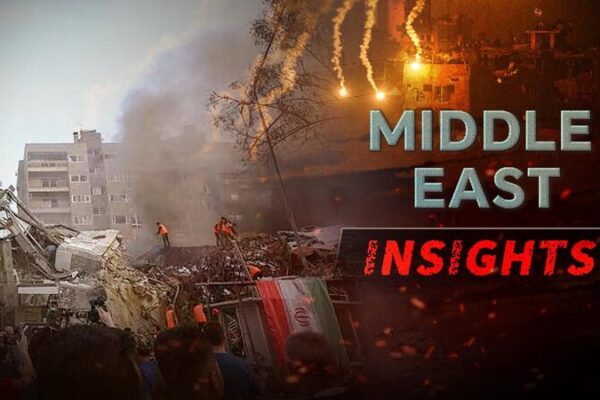
Global leaders are urging restraint as tensions between Israel and Iran reach a critical point, sparking fears of a wider conflict in the Middle East.
In a sudden escalation, the Israeli Ministry of Defense confirmed a large-scale airstrike on Iranian territory, targeting several nuclear and military sites under the operation codenamed Rising Lion. Explosions rocked the Iranian capital, Tehran, while Israel declared a state of emergency, suspended civilian activities, and closed its airspace.
In retaliation, Iran launched dozens of ballistic missiles toward Israel, marking one of the most significant confrontations between the two nations in recent history. This exchange has raised alarms about the potential for a broader conflict that could destabilize the already fragile region.
Regional and Global Implications
The unfolding crisis doesn’t just impact Israel and Iran; it threatens the stability of the entire Middle East. Existing conflicts in Syria, Iraq, and Yemen have already strained the region. An open conflict between Israel and Iran could overwhelm neighboring countries and lead to widespread humanitarian crises.
Experts warn that such an escalation could result in mass civilian casualties, damage to essential infrastructure, and large-scale displacement of people. Nations like Lebanon and Jordan, which are already hosting significant refugee populations, might struggle to cope with additional influxes.
Economic Ripple Effects
The conflict’s impact extends beyond the Middle East. Global markets have reacted with uncertainty; oil prices have spiked, and investor confidence has waned. Disruptions to crucial maritime routes like the Strait of Hormuz could affect the global energy supply, hitting developing economies the hardest.
Calls for Diplomatic Solutions
International figures are emphasizing the urgent need for diplomacy. Regional actors such as Türkiye, Qatar, and Oman, along with global powers like China and the European Union, are being called upon to mediate and encourage de-escalation.
Following the events, China’s Foreign Ministry expressed serious concern over the potential consequences, urging all parties to avoid further escalation and work towards regional peace and stability. China has also indicated its willingness to play a constructive role in easing tensions.
The Path Forward
Maintaining open communication channels and reaffirming commitments to international law are seen as essential steps to prevent further deterioration. There’s a collective push for immediate and coordinated diplomatic efforts to address the crisis.
The hope is that through dialogue and restraint, a larger catastrophe can be avoided, ensuring peace and security for the region and the world.