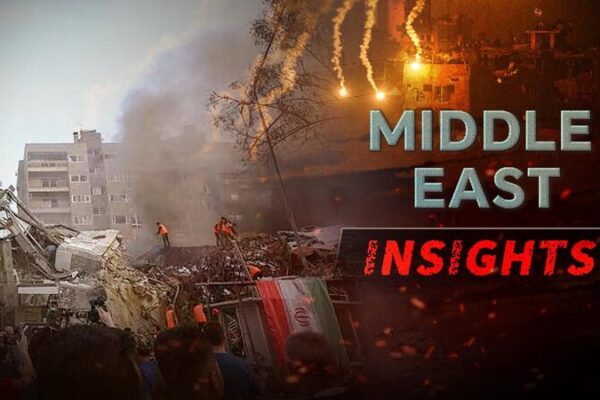
The Middle East is witnessing a dangerous escalation as tensions between Israel and Iran threaten to spiral into a full-blown conflict. Recent military confrontations have caused significant casualties and widespread concern, prompting urgent calls from around the world for de-escalation.
On June 13, Israel launched “Operation Rising Lion,” a series of airstrikes targeting Iran’s nuclear facilities. The strikes resulted in the loss of key infrastructure and the deaths of several scientists, but also impacted civilian areas, leading to over 200 casualties, according to reports.
In response, Iran retaliated on June 16 by launching missiles and drones toward Israel. While many were intercepted, the attacks caused significant damage, with numerous casualties and critical infrastructure affected.
The conflict’s repercussions extend beyond the immediate region. Global oil prices have surged due to disruptions in the Strait of Hormuz, affecting economies worldwide. Thousands of civilians have been displaced, and essential services in both countries are under strain.
International leaders are expressing deep concern over the escalating violence. Efforts to mediate and promote dialogue are intensifying, with calls for both nations to exercise restraint and seek peaceful solutions.
Experts warn that without immediate de-escalation, the situation could destabilize the entire region. Neighboring countries fear being drawn into the conflict, and the humanitarian toll continues to rise.
The urgent need for diplomacy and cooperation is clear. The international community is urged to support efforts that promote peace and prevent further escalation, emphasizing the importance of stability and security for all.