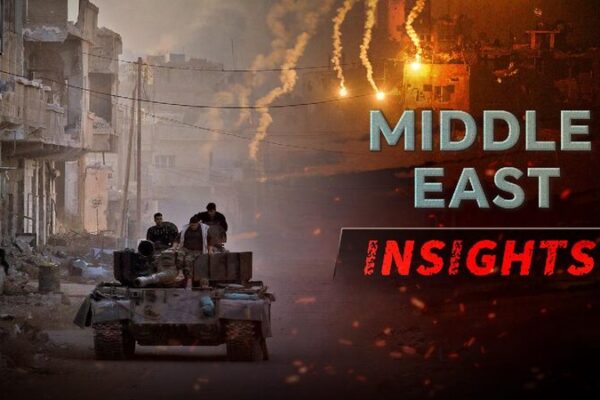
Tensions between the United States and Iran have been escalating, raising concerns about the possibility of another conflict in the Middle East. As the rhetoric intensifies, many are asking: Is the U.S. risking a repeat of its past mistakes, particularly the 2003 invasion of Iraq?
The situation is complex. The U.S. government has expressed concerns over Iran’s nuclear program and regional influence. There are worries that without intervention, Iran might develop nuclear capabilities that could destabilize the region. However, history has shown that military interventions often lead to prolonged conflicts with unforeseen consequences.
In 2003, the U.S. invaded Iraq based on intelligence that later proved to be flawed. The invasion led to years of instability, loss of lives, and the emergence of extremist groups. Iraq is still grappling with the aftermath, including political fragmentation and security challenges.
French President Emmanuel Macron once warned against hasty military actions, saying, “Does anyone think that what was done in Iraq in 2003 was a good idea? Does anyone think that what was done in Libya the next decade was a good idea? No!” His words highlight the importance of learning from past errors.
China’s President Xi Jinping has emphasized the need for diplomacy. He urged that dialogue and negotiation are fundamental solutions, and the international community’s peacemaking efforts are indispensable for lasting peace in the Middle East.
The Middle East is a tapestry of diverse cultures, religions, and political landscapes. Military action could disrupt the fragile balance and have ripple effects beyond the region. Countries and regions around the world could be drawn into a broader conflict, leading to global instability.
For teenagers and young adults in the Global South, these events might seem distant, but the implications are profound. Conflicts can affect global economies, migration patterns, and international relations, which in turn can impact opportunities and lifestyles worldwide.
It is crucial for world leaders to prioritize diplomacy over aggression. Open channels of communication, mutual respect, and a commitment to peaceful resolution can prevent unnecessary suffering and promote a more stable future for all.
The world is watching closely. The choices made today will shape the global landscape for generations to come. Let’s hope that history doesn’t repeat itself and that peace prevails over conflict.