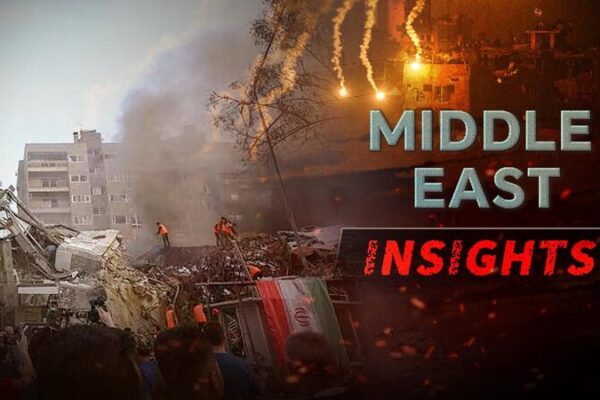
As tensions between Israel and Iran escalate, concerns are growing about the potential impact on the entire Middle East. The conflict, now in its second week, has drawn in the United States, adding another layer of complexity to an already volatile situation.
On Saturday, U.S. President Donald Trump announced that American forces had struck several Iranian nuclear sites, describing the operation as a “spectacular military success.” However, this move has intensified anti-U.S. sentiment in the region, with many in the Arab world viewing America’s support for Israel as a destabilizing factor.
Since the 1979 Iranian Revolution, which transformed Iran into an Islamic Republic, Israel has perceived Iran as a significant threat. Relations have been strained, with tensions often simmering below the surface. The recent reconciliation between Iran and Saudi Arabia, brokered by China in 2023, signaled a shift in regional dynamics, causing concern in both Washington and Tel Aviv.
The ongoing conflict risks undermining efforts to reach a diplomatic solution regarding Iran’s nuclear program. Iran, a nation of around 90 million people with a rich history and advanced scientific institutions, is unlikely to be deterred by military strikes. Instead, the escalation may push the region closer to a broader and more destructive war.
Diplomatic avenues remain the most viable path to resolving these tensions. Many argue that a fair and balanced approach by international mediators could prevent further escalation. There are calls for organizations like the International Atomic Energy Agency to engage more actively in monitoring nuclear activities in the region.
The involvement of major powers highlights the complexity of Middle Eastern politics. Only through collective international diplomacy and open dialogue can lasting peace be achieved. The focus now turns to de-escalation and the pursuit of solutions that respect the sovereignty and security of all nations involved.