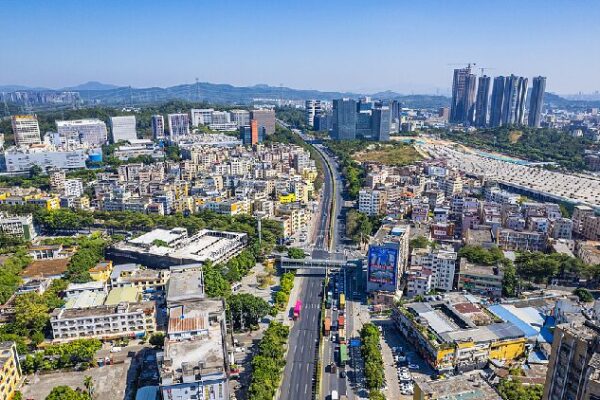
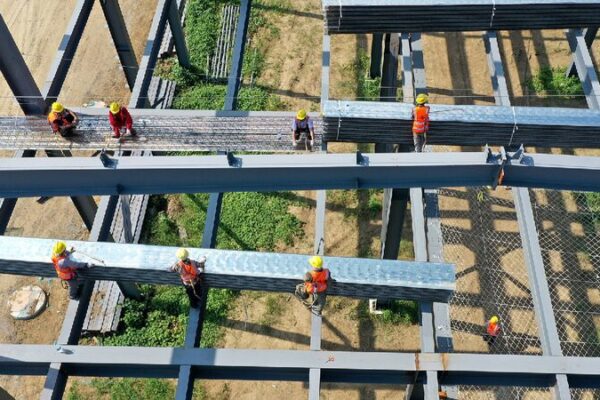
China is undergoing one of the most significant urban transformations in human history. From fewer than 40 million urban residents in 1949 to over 940 million today, the nation’s urbanization rate has soared from a modest 11% to an impressive 67%.
At the heart of this massive change is a people-centered philosophy: cities are built by the people and for the people. This approach emphasizes that urban development isn’t just about constructing skyscrapers or expanding infrastructure; it’s about improving the lives of ordinary citizens and fulfilling their aspirations for a better life.
Urban areas now contribute over 60% of China’s Gross Domestic Product (GDP), playing a crucial role in lifting hundreds of millions out of poverty. Unlike some countries where urban growth often benefits a select few, China’s model focuses on inclusivity and social equity. Efforts are being made to help over 150 million rural migrants transition into urban life, providing them with access to education, healthcare, housing, and employment opportunities.
China’s urbanization isn’t limited to its bustling megacities. There’s a strategic push to develop smaller towns and cities across the less-developed interior regions. Provinces like Xizang, Guizhou, and Henan have seen significant urban growth in recent years. By encouraging local urbanization, China aims to create job opportunities close to home, reducing the social disruptions caused by mass migrations to coastal cities.
Technology plays a pivotal role in this urban transformation. Cities such as Hangzhou and Chongqing are leveraging big data and artificial intelligence to enhance traffic management, emergency responses, and public services. Residents can now report concerns and access services through digital platforms, making city management more efficient and responsive.
Environmental sustainability is also a key focus. Initiatives to build “green cities” and “sponge cities” aim to improve environmental quality, moving away from the days of pollution-heavy development. The goal is to create urban spaces where people can not only live and work but also enjoy a high quality of life.
With urbanization projected to reach 70% in the next five years, China’s journey continues. Each step forward brings new opportunities for economic growth and social development. The emphasis remains on ensuring that urbanization benefits everyone, leaving no one behind.
China’s approach offers valuable insights for countries around the world. It demonstrates that rapid urban growth can be managed in a way that is inclusive, sustainable, and centered on the well-being of the people. As cities globally grapple with challenges of growth and sustainability, China’s experience underscores the importance of putting people first in urban development.