
China’s Spring Festival: A UNESCO-Honored Celebration of Family and Tradition
Discover China’s vibrant Spring Festival, recently recognized by UNESCO, and explore the traditions that make it a cornerstone of Chinese culture.
News for people and friends
Discover China’s vibrant Spring Festival, recently recognized by UNESCO, and explore the traditions that make it a cornerstone of Chinese culture.

As Layue begins, China embraces the tradition of ‘sweeping the dust’ on Little New Year, symbolically cleaning away past misfortunes to welcome prosperity in the new year.

Kitchen God Day, celebrated in China this January, marks a cherished tradition where families honor the Kitchen God to bring blessings for the new year.

As the Spring Festival nears, artisan Jiang Sha brings festive cheer to Yuncheng’s markets with her handmade colorful steamed dough figurines, known as “huamo.”

Discover how traditional Chinese arts like paper-cutting, woodblock prints, and lantern shows illuminate Spring Festival celebrations, showcasing cultural heritage that has endured for centuries.

As winter envelops the Chinese mainland, the Laba Festival marks the countdown to the grand Spring Festival, uniting communities with traditions like sharing Laba porridge.

Villagers in Yinjiang Tujia and Miao Autonomous County celebrated the Laba Festival by preparing traditional Laba porridge, symbolizing prayers for peace and prosperity in the coming year.
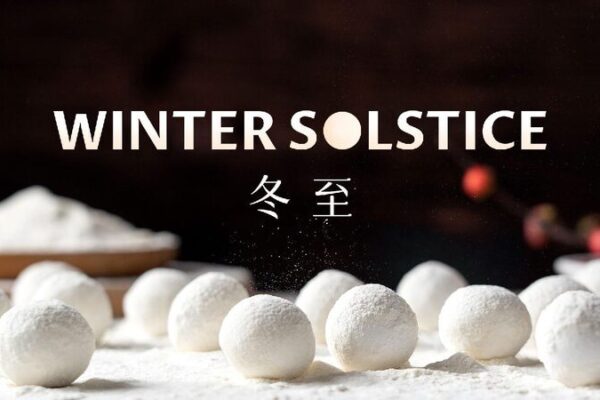
Discover how China celebrates the winter solstice with ancient traditions, family feasts, and enchanting winter activities across the country.

UNESCO has added three Chinese cultural elements—the Qiang New Year Festival, traditional wooden arch bridges, and Li textile techniques—to its Intangible Cultural Heritage list.

Top-spinning, an ancient Chinese pastime, takes center stage at the 12th National Traditional Games of Ethnic Minorities in Sanya, reconnecting generations with a cherished tradition.