
Chinese New Year Joins UNESCO’s Intangible Cultural Heritage List
Chinese New Year has been added to UNESCO’s Intangible Cultural Heritage list, recognizing its global cultural significance. The decision was made at a meeting in Asunción, Paraguay.
News for people and friends
Chinese New Year has been added to UNESCO’s Intangible Cultural Heritage list, recognizing its global cultural significance. The decision was made at a meeting in Asunción, Paraguay.

UNESCO has added China’s Li textile techniques to its Intangible Cultural Heritage list, highlighting the Li people’s unique skills in spinning, dyeing, weaving, and embroidering.

UNESCO has added three Chinese cultural elements—the Qiang New Year Festival, traditional wooden arch bridges, and Li textile techniques—to its Intangible Cultural Heritage list.

UNESCO has recognized traditional Chinese wooden arch bridges on its Intangible Cultural Heritage list, highlighting their cultural and historical significance.
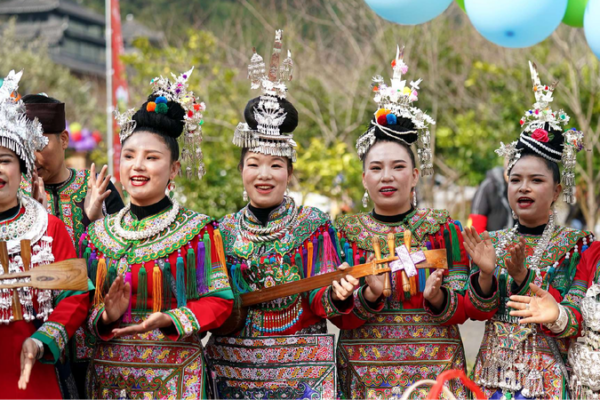
The Dong people of Leli Dong Village in Rongjiang County, Guizhou Province, celebrate the Dong New Year with traditional music, parades, and family reunions.
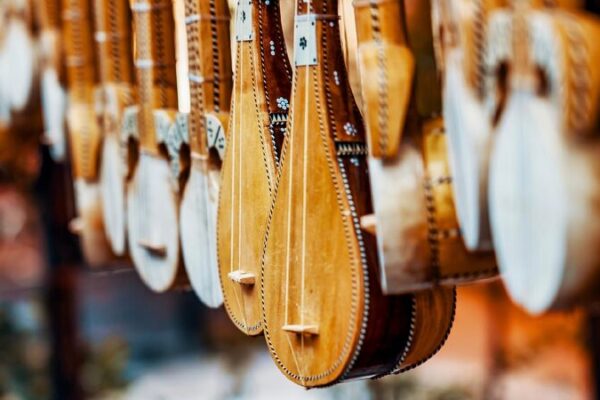
Discover the rich musical heritage of Kashgar on the Ancient City Musical Instruments Street, where traditional ethnic instruments come to life, carrying the beautiful hopes of the Kashgar people.

UNESCO has added China’s Spring Festival to its Intangible Cultural Heritage list, recognizing the cultural significance of the traditional Chinese New Year celebrations.

Explore Taiwan’s rich history—from ancient ties to China and 50 years under Japanese rule, to its unique cultural evolution today.

Discover ‘Carving with Silver Threads,’ a traditional craft that blends metal foil with lacquerware to create intricate designs, preserving artistry for a new generation.

With a history dating back 3,000 years, Chengdu lacquerware symbolizes Chinese aesthetics, renowned for its enduring beauty and exceptional craftsmanship.