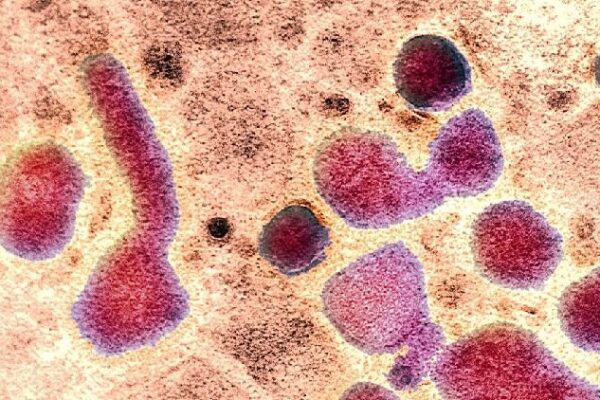
A strain of bird flu known as H5N1 is spreading rapidly across the globe, raising concerns among scientists about the possibility of a new human pandemic. The virus, which was once contained largely to poultry, has now been detected in over 500 wild bird species and nearly 50 mammal species.
Dr. Lineke Begeman recently participated in an expedition to Antarctica, where she encountered the first recorded outbreak of bird flu on the continent. “Finding H5N1 in such a remote and pristine environment is alarming,” Dr. Begeman said. Antarctica is home to many unique species, and the introduction of the virus there highlights its relentless spread.
In the United Kingdom, Professor James Wood and his team are studying the virus’s transmission patterns. They have discovered that wild birds have become the primary route of infection into poultry farms, overtaking the movement of infected poultry between farms. “This shift in transmission is significant,” Professor Wood explained. “It means the virus is more widespread in wild populations than we previously thought.”
The situation is not confined to birds. In the United States, the virus has jumped to dairy cattle, affecting over 1,000 herds across 17 states. Dr. Tom Frieden, former director of the U.S. Centers for Disease Control and Prevention, expressed his concerns about the virus’s ability to cross species barriers. “The jump to mammals is a warning sign,” Dr. Frieden noted. “We need to monitor this closely to prevent a potential spillover to humans.”
So far, there have been 70 confirmed human cases of H5N1 infection, most resulting in mild illness, though one death has been reported. While human-to-human transmission has not been observed, researchers are vigilant. Professor Debby van Riel from the Erasmus Medical Centre in the Netherlands has found that recent variants of H5N1 are more adept at infecting the upper respiratory tract than previous strains. “This adaptation could increase the risk of human infections,” she warned.
Adding to the concern, Professor Jim Paulson and his team at Scripps Research in the U.S. have discovered that H5N1 may now be only one mutation away from gaining the ability to transmit between humans. “It’s a race against time,” Professor Paulson stated. “We need to stay ahead of the virus.”
Despite these alarming developments, there is a silver lining. A vaccine targeting the H5N1 strain already exists, providing a critical line of defense should the virus begin spreading among people. Health organizations worldwide are monitoring the situation closely, and the risk to the general public remains low at this time.
“We are better prepared now than ever before,” Dr. Frieden reassured. “With vigilant surveillance and swift action, we can mitigate the threat of H5N1 becoming the next pandemic.”