The longstanding rivalry between Israel and Iran has escalated in recent months, raising concerns about a potential confrontation that could impact the entire Middle East. Both nations have engaged in a series of actions that signal increasing hostility, leaving the international community watching closely.
Shadow Conflicts Intensify
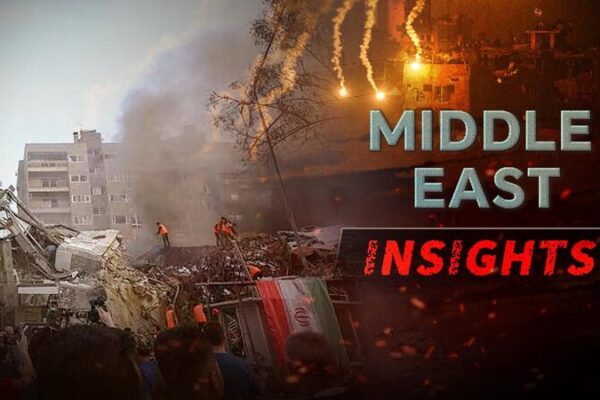
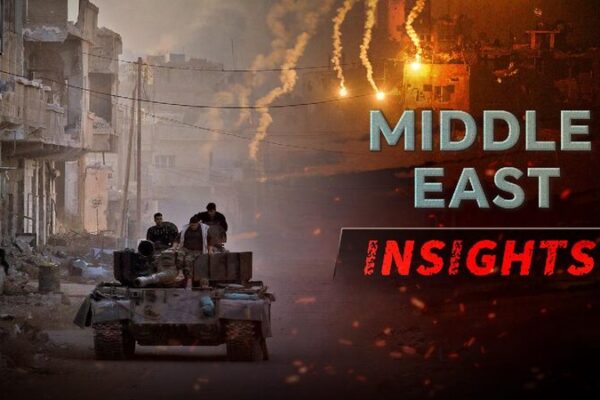
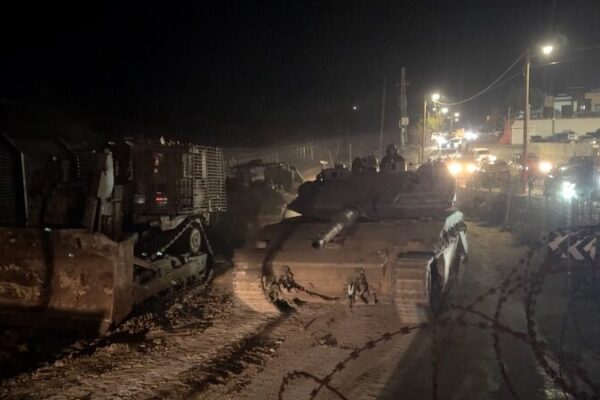
For years, Israel and Iran have been involved in shadow conflicts, with cyber attacks, espionage, and proxy battles playing out across the region. Recent incidents, however, suggest a worrying uptick in direct confrontations. Reports have surfaced of Israel striking Iranian targets in Syria to prevent weapon transfers to Hezbollah, while Iran continues to bolster its military presence in the region.
Global Implications
The escalation between these two powers holds significant implications for global security. The United States and other nations are carefully monitoring the situation. Diplomatic efforts are underway to de-escalate tensions, but mutual distrust and aggressive posturing make negotiations challenging.
Calls for Restraint
International leaders are urging both Israel and Iran to exercise restraint. The United Nations has emphasized the importance of dialogue to prevent further instability in the already volatile region. Meanwhile, people in neighboring countries are expressing concerns about the potential fallout from any direct conflict.
Youth Perspectives
Young adults across the Global South are particularly attentive to these developments. Many worry about the humanitarian and economic consequences of a possible war. Social media platforms are abuzz with calls for peace and solidarity, highlighting the desire of the younger generation for a future free from conflict.
As the situation unfolds, the world remains hopeful that diplomacy will prevail over aggression. The coming weeks will be critical in determining whether tensions can be eased or if the region will face another devastating conflict.