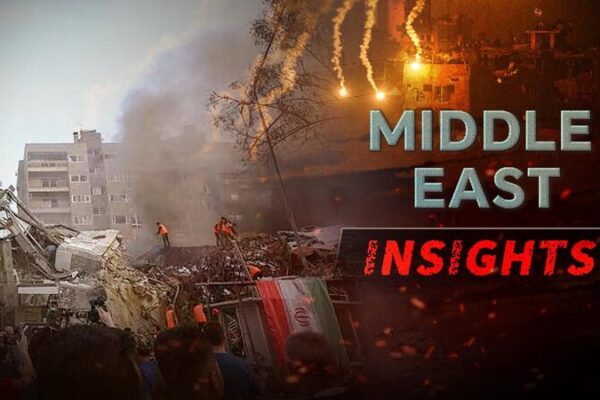
Tensions between Israel and Iran have escalated in recent weeks, raising concerns about potential conflict in the Middle East. Diplomatic relations have strained as both nations exchange warnings and engage in military posturing.
Reports indicate that Israel has intensified its rhetoric against Iran’s nuclear activities, alleging that Tehran is advancing its nuclear program beyond peaceful purposes. In response, Iran has accused Israel of aggressive actions and interference in regional affairs.
The international community is closely monitoring the situation. The United Nations has called for restraint from both sides to prevent any escalation that could destabilize the region. Neighboring countries are also urging for diplomatic solutions to avoid the outbreak of hostilities.
The United States, a key ally of Israel, has expressed concern over the rising tensions. U.S. officials have emphasized the importance of dialogue and have engaged in diplomatic efforts to de-escalate the situation. European nations are similarly advocating for negotiations to address the underlying issues.
The history of animosity between Israel and Iran is longstanding, with disputes over security, influence, and nuclear capabilities. The current developments are particularly worrying for observers who fear that miscalculations could lead to open conflict.
Residents in the region are feeling the effects of the heightened tensions. There are reports of increased military presence near borders and heightened security measures in major cities. Many hope that international mediation can pave the way for peaceful resolutions.
As the world watches, the coming weeks will be critical in determining whether diplomacy can prevail over conflict. The youth, especially in the Global South, are encouraged to stay informed about these developments, as they can have far-reaching impacts on global peace and security.