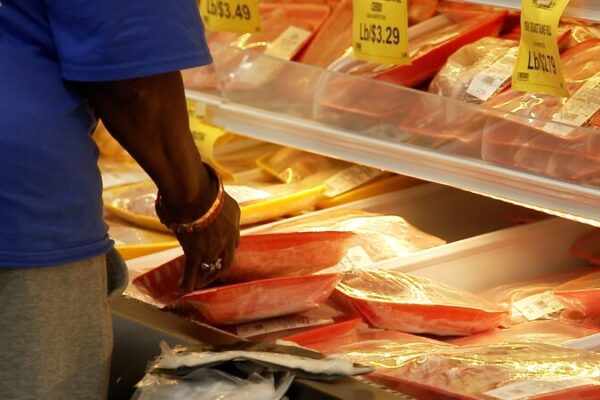
Empty supermarket shelves and soaring prices have become an unsettling reality for many. While trade wars and tariff policies dominate headlines, their impact is being felt in households worldwide, particularly in the Global South.
The Ripple Effect of Tariffs
Tariffs, essentially taxes on imported goods, are often used by governments to protect domestic industries. However, these policies can lead to unintended consequences. Increased costs for imported goods result in higher prices for consumers. Essential items become more expensive, and in some cases, disappear from store shelves due to supply chain disruptions.
Communities Bearing the Brunt
For young people and families in developing nations, these price hikes can strain already tight budgets. Basic necessities like food, clothing, and electronics become less accessible. The situation is exacerbated when countries engage in prolonged trade disputes, making recovery even more challenging.
Seeking Solutions
As global citizens, it’s important to stay informed about how international policies affect our daily lives. Advocacy for fair trade practices and supporting local industries can mitigate some of the negative impacts. Open dialogues between nations are crucial to resolving trade tensions and promoting economic stability.
Empty shelves and rising prices serve as a stark reminder of the interconnectedness of our global economy. By understanding the effects of tariff policies, we can better navigate these challenges and work towards a more equitable future.