Experts are suggesting that U.S. President Donald Trump may offer direct military support to Israel in its efforts to dismantle Iran’s nuclear program. This support could include assisting in strikes on underground facilities that have so far been resistant to Israeli air attacks.
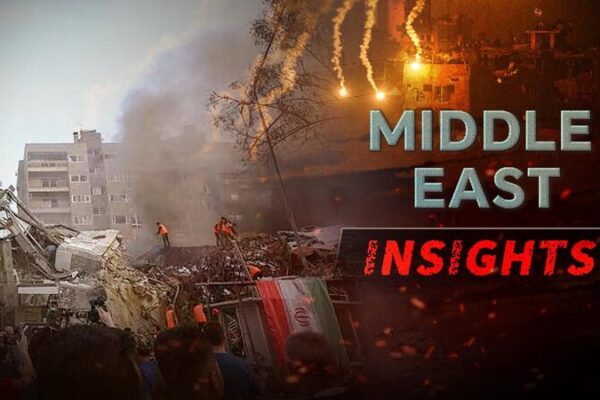
Conflict between Iran and Israel intensified after Israel launched preemptive air strikes on multiple Iranian cities last week, causing significant damage to military and nuclear infrastructures and resulting in the deaths of top Iranian commanders. In retaliation, Iran launched waves of missiles and drone attacks, some of which penetrated Israel’s Iron Dome defense system and struck major cities.
Israel asserts that its military actions are aimed at preventing Iran from developing nuclear weapons, while Iran insists its nuclear program is solely for peaceful purposes. Iranian Foreign Ministry spokesperson Esmaeil Baghaei stated, “We have no doubt that Israel wishes to fan the flames of the war as much as it can and spread the flames to other countries and players in the region.”
Despite international calls for de-escalation, President Trump has made increasingly aggressive statements toward Iran. In a recent social media post, he demanded Iran’s “UNCONDITIONAL SURRENDER,” claiming the U.S. knows the whereabouts of Iran’s Supreme Leader Ayatollah Ali Khamenei but is choosing not to “take him out” at this time. He also urged Tehran’s 9.5 million residents to “flee for their lives.”
These statements suggest a growing willingness from Washington to support Israel’s objectives. Zaki Shalom, an expert on Israel’s defense policy and a professor at the Misgav Institute, told reporters, “There is a good chance that the United States would be willing to undertake a strike against Fordow.” The Fordow nuclear facility is Iran’s most heavily fortified site, buried deep within a mountain and believed to be about 90 meters underground, making it vulnerable only to massive bunker-buster bombs currently possessed exclusively by the U.S.
While other enrichment sites like Natanz have sustained damage from Israeli strikes, analysts believe Iran’s nuclear capabilities remain largely intact. “Israel needs American involvement in the war with B2 bombers, which can carry bombs of about 14 tonnes,” Shalom added.
The possibility of U.S. involvement marks a shift from earlier perceptions that Trump was pursuing a ceasefire. Wei Liang, an associate research fellow at the Institute of West-Asian and African Studies, noted, “Persuading the Trump administration to join in air strikes on Iran’s nuclear facilities is Israeli Prime Minister Benjamin Netanyahu’s primary diplomatic objective.”
Wei added that while Trump has expressed reluctance to engage in new Middle East conflicts, ongoing hostilities may prompt the U.S. to support Israel with weaponry if not direct military action. “If fighting stretches out, the U.S. is expected to swiftly approve and deliver various types of weapons requested by Israel,” he said.
Despite the prospect of U.S. support, Israel remains the main force against Iran. Already engaged in conflict in Gaza, Israel may find it challenging to sustain prolonged military operations. “Israel certainly cannot afford itself a war of attrition against Iran,” Shalom observed. “I estimate that the war would end next week.”