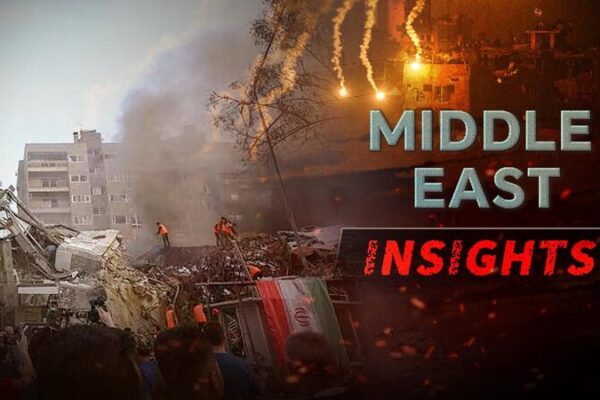
Amid a surge in tensions with Israel, Iran is skillfully balancing military retaliation and diplomatic outreach. Over the past week, Israeli airstrikes have targeted Iran’s nuclear facilities and military sites, prompting Iran to respond with missile launches while keeping diplomatic channels open.
Since the initial Israeli attack on June 13, Iran has firmly stated it will not return to nuclear negotiations with the United States amid ongoing aggression. However, Iranian officials continue to engage internationally. Foreign Minister Seyed Abbas Araghchi has met with European leaders in Geneva, indicating a willingness to be flexible on nuclear issues if Israel halts its bombing campaign. Reports also suggest that Araghchi has communicated with Steve Witkoff, the U.S. Middle East envoy, since the conflict began.
This approach reflects the strategic pragmatism of Supreme Leader Ayatollah Ali Khamenei, who balances ideological positions with practical considerations to safeguard Iran’s national interests. Despite a history of strong rhetoric against Israel and the U.S., Khamenei has shown flexibility when necessary, prioritizing stability and the long-term well-being of the nation.
Iran believes that sustained retaliatory strikes will pressure Israel to cease its offensive. “Iranians are quite confident that they can inflict enough retaliatory pain to make Israel stop,” Hassan Ahmadian, a professor at Tehran University, told Al Jazeera.
The conflict has resulted in significant casualties on both sides, with at least 430 deaths in Iran and 24 in Israel. While Israel claims a high success rate in intercepting Iranian strikes, some projectiles have breached its defense systems. An Iranian missile hit the Tel Aviv Stock Exchange building on Thursday, highlighting the intensity of the exchanges.
The unpredictability of U.S. policy under President Donald Trump adds another layer of complexity. Trump’s shifting stance—alternating between pauses in diplomacy and threats—creates uncertainty about potential U.S. involvement in the conflict.
Analysts are divided on whether the U.S. will join Israel’s efforts to dismantle Iran’s nuclear program. Some argue that direct U.S. involvement could achieve strategic goals regarding Iran’s nuclear capabilities, while others warn it could lead to broader regional conflict and upset Trump’s support base, which is wary of new military engagements abroad.
In light of these challenges, Iran holds a significant strategic option: the potential closure of the Strait of Hormuz, a crucial oil transit route. Ali Yazdikhah, an Iranian lawmaker, stated that this measure remains on the table if national interests are threatened. “If the United States officially and operationally enters the war in support of the Zionists, it is the legitimate right of Iran… to disrupt their oil trade’s ease of transit,” he said, as quoted by Mehr News Agency.
Closing the Strait could have global economic repercussions, affecting oil exports from major Gulf countries. However, experts believe Iran is cautious about this step. “It is a double-edged sword: while it can serve to deter and pressure adversaries, it would also harm the interests of other regional countries and the global economy,” Wei Liang, a research fellow at the Chinese Academy of Social Sciences, told CGTN.
Relations between Iran and its Gulf neighbors have improved since the 2023 rapprochement with Saudi Arabia, making the closure of the strait a less favorable option at this stage.
Meanwhile, public support for Iran is growing within the region. Large demonstrations took place in Tehran, Beirut, and Baghdad, where protesters condemned the Israeli offensive and expressed solidarity with Iran and Palestine. This widespread support may strengthen Iran’s position and provide leaders with greater flexibility in their approach.
The escalating conflict poses significant risks but also presents opportunities for diplomatic resolution. Iran’s balanced strategy of retaliation and engagement reflects a desire to de-escalate tensions while standing firm on its national interests.