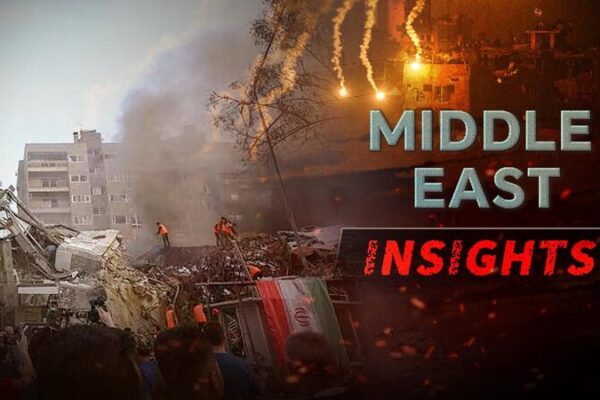
Washington D.C. – U.S. President Donald Trump announced on Friday a two-week deadline for Iran to avoid potential military action, signaling a significant escalation in tensions between the two nations. Speaking to reporters, Trump stated, “I’m giving them a period of time, and I would say two weeks would be the maximum.”
Despite European efforts to mediate the conflict, Trump expressed skepticism about their effectiveness, saying, “Europe is not going to be able to help in this.” This comes after Iran engaged in face-to-face talks with European powers in Geneva, which lasted over three hours but showed little progress.
European Diplomacy in Overdrive
European countries, including Britain, France, and Germany, are urgently working to defuse the situation. After meeting with Iranian Foreign Minister Seyed Abbas Araghchi, European officials urged Iran to re-engage in comprehensive talks, especially with the United States. Araghchi indicated Iran’s willingness to continue discussions but maintained that negotiations with the U.S. would not resume until hostilities cease.
Conflict Intensifies Between Israel and Iran
Meanwhile, the exchange of hostilities between Israel and Iran shows no signs of abating. On Friday, Iran launched missile strikes targeting cities including Haifa, Tel Aviv, and Beersheba, as well as Israeli military and media infrastructure. Israeli emergency services reported multiple injuries and significant property damage.
In response, Israel conducted air strikes targeting Iranian positions, including ballistic missile storage and launch sites. The escalating actions on both sides have raised international concern over the potential for a broader conflict.
Global Calls for De-escalation
United Nations Secretary-General António Guterres warned that further escalation could “ignite a fire no one can control,” urging all parties to “give peace a chance.” At a UN Security Council meeting, representatives from Israel and Iran exchanged strong rhetoric, with Israel vowing to continue its actions.
Rafael Grossi, Director-General of the International Atomic Energy Agency (IAEA), cautioned against strikes on Iran’s civilian nuclear facilities, highlighting the risk of a nuclear catastrophe.
China’s UN envoy, Fu Cong, called for an immediate ceasefire and emphasized the importance of protecting civilians and maintaining regional stability. Foreign ministers from 21 Arab and Islamic nations also advocated for a halt to hostilities and the resumption of dialogue to secure lasting peace in the region.
The international community continues to watch closely as the situation develops, hoping that diplomatic efforts will prevail over further military action.