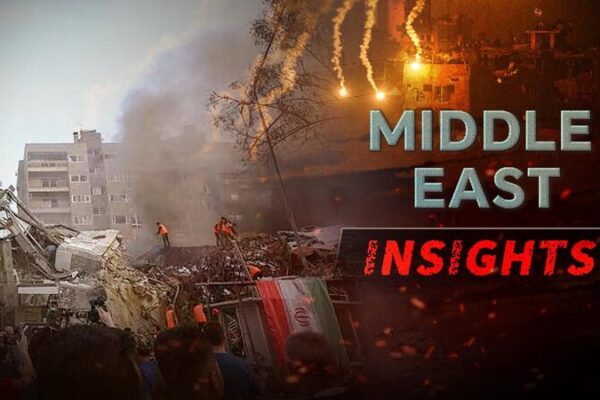
In a dramatic escalation of tensions in the Middle East, air defense systems were activated across Tehran and other parts of Iran early Monday morning. The Israeli army announced that it had carried out strikes on “military targets” within Iran.
Adding to the unfolding crisis, U.S. President Donald Trump confirmed that the United States conducted a “successful” bombing of three nuclear sites in Iran, claiming they have been “obliterated.” While the full extent of the damage remains unclear, the actions have sent shockwaves throughout the international community.
United Nations Secretary-General Antonio Guterres addressed the Security Council on Sunday, expressing deep concern over the situation. He stated that the U.S. bombing of Iranian nuclear facilities marks a “perilous turn” and urged all parties to exercise maximum restraint.
Israeli Prime Minister Benjamin Netanyahu praised the operations, stating that Israel has “moved closer” to its objectives in Iran following the overnight bombings ordered by President Trump. The collaboration between the U.S. and Israel signals a significant shift in their approach towards Iran’s nuclear program.
In response to these developments, Iranian Foreign Minister Abbas Araghchi arrived in Moscow on Monday. He is scheduled to hold consultations with Russian President Vladimir Putin to discuss the escalating situation and potential diplomatic solutions.
The international community watches with bated breath as the events unfold, fearing the potential for a larger conflict in the already volatile region.