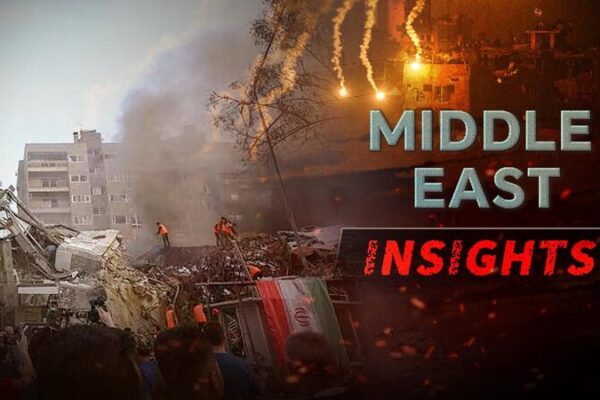
The world watched closely as Israel and Iran engaged in a direct military confrontation from June 13 to June 24, 2025. Over these 12 tense days, both nations confirmed multiple rounds of strikes on each other’s territories, escalating global concerns about stability in the Middle East.
On June 23, U.S. President Donald Trump announced a ceasefire agreement, marking the end of what has been termed the “12-day war.” Throughout the conflict, leaders from around the globe voiced their positions, offering a mix of condemnation, calls for restraint, and support.
Voices from Around the World
Many leaders issued statements that highlighted the international community’s diverse perspectives on the conflict:
Support for Israel: German Chancellor Friedrich Merz and British Prime Minister Keir Starmer emphasized Israel’s right to self-defense, reflecting longstanding alliances.
Concerns Over Nuclear Development: French President Emmanuel Macron and Swedish Prime Minister Ulf Kristersson expressed worries about Iran’s nuclear activities, urging Tehran to disavow any ambitions for nuclear weapons.
Calls for De-escalation: Indian Prime Minister Narendra Modi and New Zealand’s Prime Minister Christopher Luxon urged both parties to exercise restraint and pursue diplomatic solutions.
Criticism of Israel: Turkish President Recep Tayyip Erdoğan and Lebanese President Joseph Aoun condemned Israel’s actions, accusing it of aggression and calling for solidarity with Iran.
The Role of the United States
The United States played a significant role during the conflict. President Trump voiced opposition to Iran’s actions while reaffirming the strong alliance with Israel. On June 21, the U.S. launched attacks on Iranian nuclear facilities, escalating tensions further before eventually brokering the ceasefire.
India’s Balanced Approach
India maintained a careful stance throughout the conflict. Prime Minister Modi communicated with Israeli Prime Minister Benjamin Netanyahu, highlighting open diplomatic channels. Simultaneously, India’s Ministry of External Affairs called for de-escalation, reflecting India’s interest in regional stability and its relationships with both nations.
A Conflict of Global Concern
The 12-day conflict not only involved direct military action but also showcased the power of international rhetoric. Leaders used diplomatic channels and media platforms to influence, condemn, or support the actions of Israel and Iran. The varying responses underscore the complexity of global politics and the challenges in achieving consensus on international conflicts.
As the ceasefire holds, the world remains attentive to the developments in the region, hopeful for lasting peace and cautious of the underlying tensions that could reignite.