Indirect ceasefire talks between Hamas and Israel held in Qatar have concluded without reaching an agreement, according to Palestinian sources familiar with the discussions. The Israeli delegation reportedly lacked sufficient authority to finalize a deal with Hamas, prolonging the deadlock in the conflict.
The negotiations resumed on Sunday in Doha, ahead of Israeli Prime Minister Benjamin Netanyahu’s scheduled visit to the United States. Netanyahu is set to meet with U.S. officials to address the ongoing tensions and explore avenues for peace in the Middle East.
“After the initial session of indirect negotiations, it became clear that the Israeli delegation was not fully empowered to commit to a ceasefire agreement,” the sources told Reuters. “They lacked the real authority necessary to make binding decisions.”
Before departing for Washington, Netanyahu stated that Israeli negotiators had clear instructions to pursue a ceasefire agreement under conditions acceptable to Israel. He described his U.S. visit as a “great opportunity” to expand the circle of peace in the region.
The continued conflict has placed increasing public pressure on the Israeli government to secure a long-term ceasefire that would halt the violence in Gaza and facilitate the release of hostages believed to be held by Hamas. However, some members of Netanyahu’s coalition are urging for the continuation of military operations and the establishment of greater Israeli control over parts of Gaza.
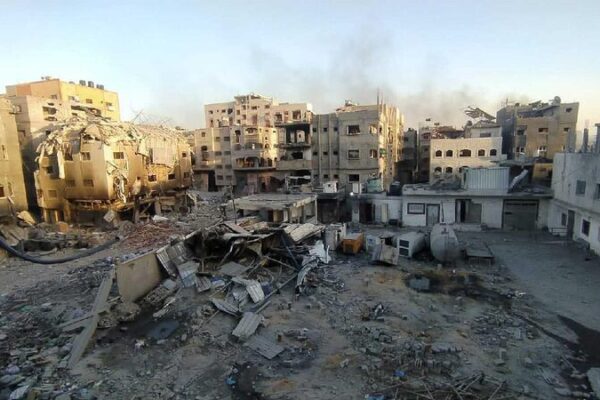
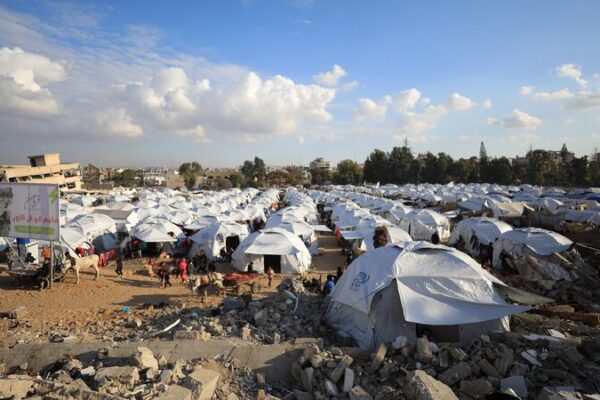
Since the escalation of hostilities, thousands of Palestinians have been killed or injured, according to health authorities in Gaza. The humanitarian situation has deteriorated significantly, with widespread displacement and shortages of essential supplies.
“The war has created dire conditions for over two million people in Gaza,” said Karima al-Ras, a resident of Khan Younis in southern Gaza. “We hope that a truce will be announced to allow more aid to come in, because people are dying for basic necessities.”
Efforts to alleviate the humanitarian crisis have faced challenges. A group known as the Gaza Humanitarian Foundation (GHF), backed by the U.S. and Israel, took the lead in food distribution after a partial lifting of the blockade. However, UN agencies and major aid organizations have been hesitant to cooperate with the GHF, citing concerns that it may serve military objectives.
The UN human rights office reported that many people have been killed while trying to access food from GHF distribution points, highlighting the urgency of finding a peaceful resolution to the conflict.
As indirect talks fail to yield immediate results, the international community watches closely, hoping that forthcoming discussions will pave the way for lasting peace and relief for those affected by the conflict.