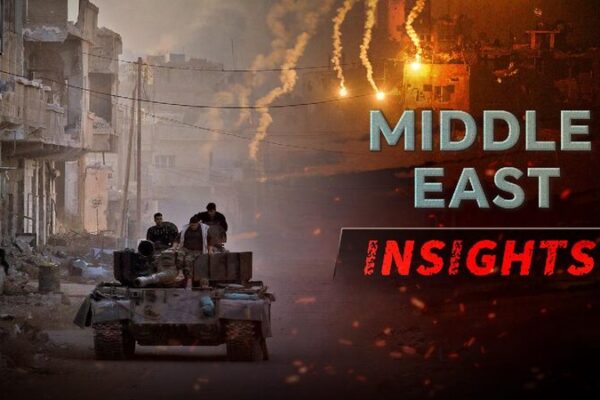
Efforts to secure lasting peace in the Middle East face significant challenges as multiple crises converge, amplifying regional instability.
Gaza Tensions Escalate
Violence between Israel and Gaza has intensified, with frequent exchanges of rocket fire and airstrikes. Humanitarian concerns grow as civilians on both sides suffer the consequences of the protracted conflict.
Attempts to broker a ceasefire have stalled, despite mediation efforts by regional and international actors. Disagreements over key issues, including security guarantees and the lifting of blockades, hinder progress toward a sustainable solution.
Iran Nuclear Diplomacy Stalls
The future of Iran’s nuclear program remains uncertain as talks to revive the 2015 Joint Comprehensive Plan of Action (JCPOA) have faced setbacks. Iran continues to enrich uranium beyond the limits set by the agreement, asserting its right to a peaceful nuclear program.
The United States and European nations urge compliance and threaten to reimpose sanctions if negotiations fail. The impasse raises concerns about nuclear proliferation and heightens regional tensions.
Syria’s Persistent Turmoil
In Syria, a decade-long civil war has left the nation fragmented and vulnerable. Ongoing clashes between various factions, including government forces, rebels, and extremist groups, exacerbate the humanitarian crisis.
Efforts to achieve a political resolution have been impeded by international rivalries and conflicting interests. The lack of consensus among key stakeholders impedes the path to stability and reconstruction.
Regional Implications
The overlapping crises in Gaza, Iran, and Syria contribute to a complex security environment. Each conflict influences the others, creating a web of challenges that complicate diplomatic efforts.
Regional powers and the international community face the task of addressing these issues holistically. Collaboration and sustained dialogue are essential to prevent further escalation and to promote peace.
Hope Amidst Challenges
Despite the difficulties, diplomatic avenues remain open. Continued engagement, confidence-building measures, and addressing humanitarian needs could pave the way for progress.
The coming months are critical. The decisions made by leaders and the international community will significantly impact the future of peace in the Middle East.