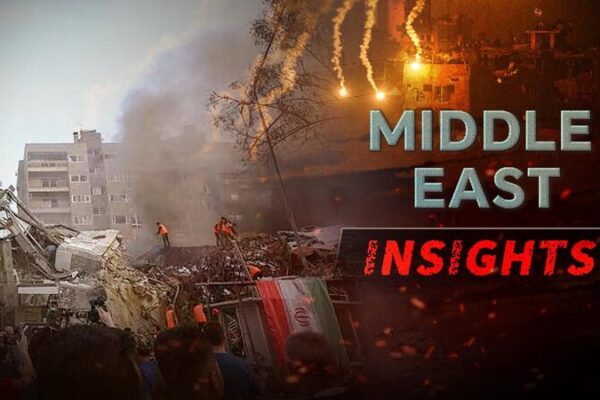
The conflict between Israel and Iran escalated dramatically on Tuesday, marking the fifth consecutive day of intense exchanges that have raised fears of a prolonged conflict engulfing the Middle East.
Intensifying Strikes
Israel launched airstrikes targeting multiple sites in Iran, including a state television building, which forced a presenter to flee mid-broadcast. The aerial campaign, initiated on Friday, has struck nuclear facilities, military bases, residential areas, and fuel depots in Iran.
According to Iran’s Health Ministry, at least 224 people have been killed and more than 1,200 wounded within the country. In response, Tehran has fired barrages of missiles and deployed drones against Israeli cities and towns, resulting in at least 24 fatalities and 592 injuries, as reported by the Israeli prime minister’s office.
Leadership Statements
Israeli Prime Minister Benjamin Netanyahu stated on Monday that Israel is “changing the face of the Middle East” through its military actions against Iran, aiming for “radical changes” in the region. He outlined three primary objectives: dismantling Iran’s nuclear program, eliminating its ballistic missile capabilities, and countering Iranian-backed militant groups.
“We will do what is necessary to achieve these goals, and we are well coordinated with the United States,” Netanyahu said, not ruling out targeting Iran’s supreme leader, Ayatollah Ali Khamenei.
Claims of Air Superiority
The Israeli military announced that it had destroyed one-third of Iran’s surface-to-surface missile launchers. Military spokesperson Effie Defrin claimed, “We have now achieved full air superiority over Tehran.”
Meanwhile, Reza Sayyad, spokesperson for the Iranian armed forces, stated that their strikes targeted “sensitive and important” security sites in Israel, including the residences of military commanders and scientists. One significant target was a major oil refinery in the coastal city of Haifa, confirmed by an Israeli official after a military censorship gag order was lifted.
Residential areas in both countries have suffered devastating hits, adding to civilian casualties and deepening the humanitarian crisis.
International Reactions
Iran’s UN Ambassador, Amir Saeid Iravani, defended Iran’s actions as “proportionate defensive operations” under Article 51 of the UN Charter, emphasizing a focus on military objectives. Conversely, Israel’s UN Ambassador, Danny Danon, accused Iran of targeting civilians, stating, “Iran aims its missiles at children, while we target the regime’s terror machine.”
The UN Security Council convened on Friday at Tehran’s request to address Israel’s initial attacks on Iran.
Calls for De-escalation
Global leaders have urged both nations to halt hostilities. China called for immediate steps to reduce tensions and “prevent the region from falling into greater turmoil.” Turkish President Recep Tayyip Erdogan offered to play a “facilitating role” to end the conflict. UK Prime Minister Keir Starmer expressed hope for a consensus on de-escalation among G7 leaders meeting in Canada. French President Emmanuel Macron appealed for both sides to “end” strikes on civilians and warned that aiming to overthrow Tehran’s government would be a “strategic error.”
As the international community watches with growing concern, the escalating conflict poses significant risks to regional stability and the safety of civilians on both sides.