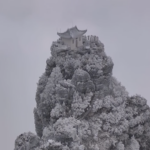
Hidden amidst the lush landscapes of Hebei Province lies the Chengde Mountain Resort, a breathtaking imperial retreat that once served as the summer palace of China’s Qing Dynasty emperors.
Constructed over nearly a century from 1703 to 1792, this vast complex spans 564 hectares, making it China’s largest imperial palace garden and temple complex. Recognized as a UNESCO World Heritage Site since 1994, the resort harmoniously blends palaces, administrative buildings, and exquisite gardens with serene lakes, rolling plains, and verdant mountains.
The Chengde Mountain Resort isn’t just a feast for the senses; it’s a remarkable piece of history that captures the final development of Chinese feudal society. Emperors retreated here not only to escape the summer heat but also to conduct state affairs and diplomatic meetings.
The resort’s design is a masterpiece of Chinese landscape gardening, meticulously following the natural topography and embodying the principles of feng shui. Divided into four main zones—the palace area, the lake area, the plain area, and the mountain area—it is famed for its 72 scenic spots, many of which are inspired by iconic southern Chinese landscapes.
Chengde’s unique fusion of architecture and nature influenced landscape gardening around the world in the 18th century, particularly in Europe. Today, it stands as a testament to China’s rich cultural heritage and ongoing preservation efforts, earning its status as a State Priority Protected Site and a Class 5A tourist attraction.
For those seeking to explore China’s imperial past and natural beauty, the Chengde Mountain Resort offers an unforgettable journey through time and artistry.
Reference(s):
Chengde Mountain Resort: Imperial grandeur and natural harmony
cgtn.com